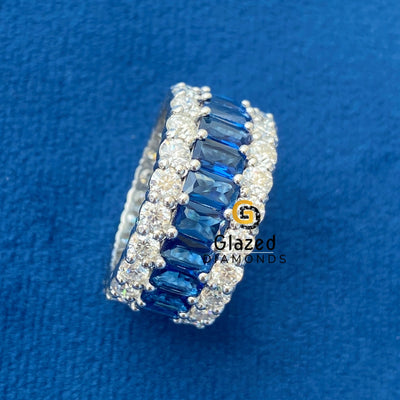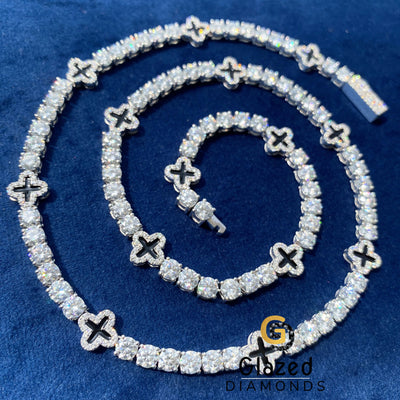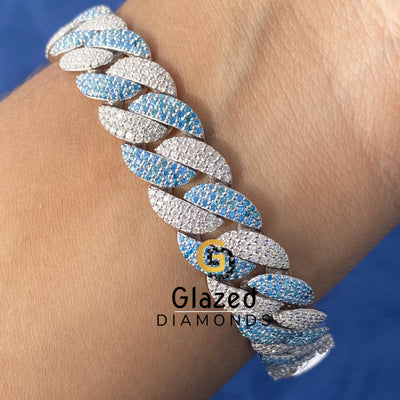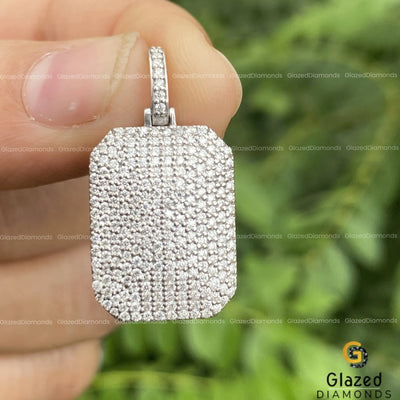


Lab diamond prices are dropping faster than most buyers realize. Over the past three to four years, prices have fallen 50 to 80 percent across most size categories. A stone that sold for $3,000 in 2020 now sells for under $1,000. This is not a temporary discount. It is a permanent structural shift in how diamonds are made and sold.
This article covers exactly why lab diamond prices are falling, whether they will keep dropping in 2026, and what that means for buyers making a purchase decision right now. Understanding what lab-grown diamonds actually are gives useful context before going further.
How Far Have Lab Diamond Prices Actually Fallen?
A 1-carat lab diamond sold for $3,000 to $4,000 in 2020. That same stone now sells for under $1,000 in many markets. That is a price drop of 70 percent or more in under five years.
At the wholesale level, the decline has been even steeper. Manufacturers are producing at volumes that have collapsed the cost per carat across nearly every grade and size.
The 1 to 2 carat range has been hit hardest. This is the most popular size for engagement rings, which means the shift is visible to any buyer actively shopping today.
Prices have fallen every year since 2021 with no meaningful reversal in sight.
5 Key Reasons Lab Diamond Prices Are Dropping
The price drop is not random. Five specific and compounding factors are driving lab diamond prices lower every single year.
1. Speed of Production
A lab diamond can be fully grown in 2 to 4 weeks. Factories produce thousands of stones every month, year-round. High output drives the cost per carat down continuously. More supply meeting the same level of demand pushes prices in one direction.
2. No Mining Infrastructure Needed
Lab diamond production requires no land acquisition, no heavy equipment, and no mining labor. A lab facility costs a fraction of what it takes to build and operate a diamond mine. Lower production costs translate directly into lower retail prices. Every dollar saved in production applies pressure on what the market will pay.
3. Advancing Technology
CVD and HPHT diamond-growing technology improves every year. The cost to produce a single diamond keeps falling as the process becomes more efficient and scalable. What required expensive, specialized equipment in 2015 is now a standard industrial process. As the technology matures, the price floor keeps dropping.
4. Streamlined Distribution
Lab diamonds move directly from manufacturer to retailer, often with no intermediary. There are no rough diamond traders, sorting houses, or mining middlemen in the chain. Every layer removed from the supply chain eliminates a markup. The buyer at the end of the chain benefits from each step that no longer exists.
5. Rising Competition
Dozens of new lab diamond manufacturers entered the global market after 2020. China and India saw the largest production expansions during this period. More producers competing for the same pool of buyers drives prices down quickly. Unlike the natural diamond market, there is no central body or cartel managing lab diamond supply.
Will Lab Diamond Prices Keep Dropping in 2026 and Beyond?
The most likely answer is yes. This is a structural change, not a temporary dip.
Production capacity continues to expand. New facilities are coming online across Asia. The technology that makes production cheaper keeps improving. None of the factors pushing prices lower have reversed or plateaued.
Industry analysts broadly agree that lab diamond prices will continue declining through 2026 and likely beyond. There is no supply constraint, no regulatory cap, and no cost floor that would stop the trend.
Buyers waiting for a price bottom may be waiting indefinitely. The structural conditions that created this decline remain fully in place.
Lab Diamond Resale Value — What Happens When You Try to Sell?
Lab diamonds resell at very low value. In many cases, sellers recover 10 to 20 cents on the dollar compared to the original purchase price.
The reason is straightforward. A resale buyer can purchase a brand-new lab diamond from any online retailer for less than the price of a used one. There is no reason to buy secondhand when new stones are cheaper.
Lab diamonds carry no scarcity value. They are not rare, not collectible, and not in limited supply. The secondary market for them is thin and returns very little. This stands in clear contrast to how natural diamonds hold value in the collector and resale market.
Resale is not a realistic expectation for lab diamond buyers.
Are Lab Diamonds a Good Investment?
Lab diamonds are not a good investment. The market data is consistent and clear on this point.
Prices are declining every year. Resale value is minimal. There is no recorded case of lab diamond prices appreciating over time. Those tracking diamond investment performance will find that lab diamonds do not fit the profile of any asset class worth holding.
That said, lab diamonds are a sound choice for buyers who want a large, visually impressive stone at a significantly lower price than a mined diamond. The value is real — it is simply front-loaded at the point of purchase, not built over time.
Buy a lab diamond because you want it. Not because you expect it to grow in value.
Lab Diamond vs Natural Diamond — Which Holds Value Better?
Natural diamonds hold value better than lab-grown diamonds. The reason is rarity. Natural diamonds are finite. Lab diamonds are not.
The resale market for natural diamonds — particularly in larger sizes, rarer colors, and higher grades — remains active and competitive. Collectors and long-term buyers consistently favor mined stones for this reason.
As lab diamond prices have collapsed, the premium commanded by natural diamonds has actually widened. The gap between the two on the resale market is larger today than it was five years ago.
If value retention matters in your decision, natural diamonds are the more defensible purchase.
What Does This Mean for Buyers Right Now?
For buyers focused on size and sparkle on a budget, lab diamonds now offer more stone for less money than at any point in history. A 2-carat lab diamond is accessible at prices that were previously reserved for 0.5-carat natural stones.
If your priority is a visually impressive ring at a controlled cost, the current market works in your favor.
If you care about resale value, long-term holding value, or purchasing with any investment logic, lab diamonds do not support that goal. Natural diamonds or alternative gemstones are worth evaluating more seriously in that case.
The decision gets simpler once the investment narrative is removed entirely from a lab diamond purchase.
Lab Diamond vs Moissanite — Which Is the Better Value Buy?
Moissanite costs significantly less than a lab diamond of the same size, and its pricing has remained stable. That alone makes the comparison worth understanding.
On sparkle, moissanite has a higher refractive index than diamond. It produces more light dispersion — a bolder, more colorful fire that many buyers prefer on its own terms.
On hardness, moissanite scores 9.25 on the Mohs scale compared to diamond's 10. Both are highly durable for daily wear and resistant to scratching.
On value logic, moissanite was never positioned as a diamond substitute on investment grounds. The lab diamond price collapse does not affect it because it was never priced against diamond markets. The full moissanite vs lab diamond comparison shows these are two distinct products solving the same aesthetic goal at different price points and with different long-term pricing behavior.
For buyers who want maximum visual impact without tying the purchase to a declining market, moissanite engagement rings offer a clear and stable alternative.
Conclusion
Lab diamond prices are dropping because production is fast, cheap, scalable, and growing every year. Technology keeps improving. Competition keeps intensifying. Prices keep falling. For buyers who want size and sparkle on a budget, the current market is an opportunity. For buyers who want long-term value, moissanite offers a more stable alternative that was never tied to the lab diamond market in the first place.