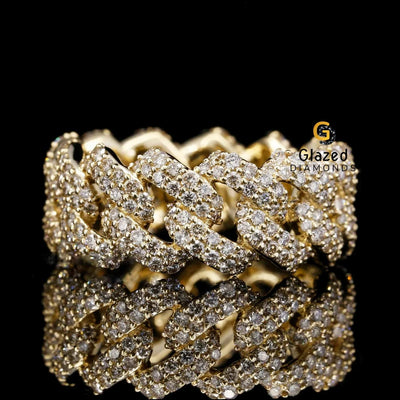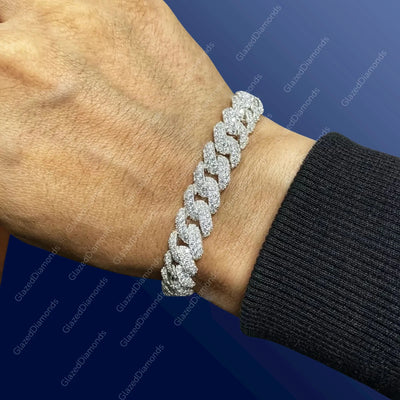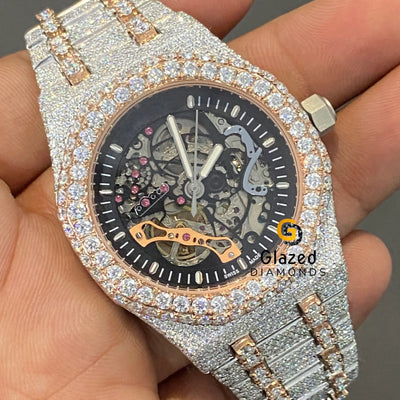



Lab grown vs mined diamonds are chemically identical. Both are pure carbon, both score 10 on the Mohs hardness scale, and both can receive GIA certification. The difference is origin: one forms over billions of years underground, the other is produced in a controlled laboratory in a matter of weeks. Beyond origin, the gaps come down to price, resale value, and ethical footprint.
This guide covers every major comparison point with no bias toward either side. Buyers researching engagement rings, diamond jewelry, or simply wanting an honest breakdown will find direct, factual answers below.
What is a Lab Grown Diamond?
A lab grown diamond is produced in a laboratory using one of two methods: High Pressure High Temperature (HPHT) or Chemical Vapor Deposition (CVD). Both replicate the natural geological conditions that create diamonds underground.
The result is a diamond with the same chemical formula, the same crystal structure, and the same optical properties as any mined stone. Lab grown diamonds are not simulants. They are not cubic zirconia or moissanite.
What is a Mined Diamond?
A mined diamond forms naturally over 1 to 3.3 billion years under extreme heat and pressure deep in the Earth's mantle. Mining operations extract them primarily from Russia, Botswana, Canada, and Australia.
Large, high-quality natural diamonds remain genuinely scarce. That natural rarity continues to drive price stability in secondary markets, which is a key differentiator from lab grown stones.
Lab Grown vs Mined Diamonds — Key Differences
Price
Lab grown diamonds cost significantly less. A 1-carat G/VS1 lab diamond is currently available under $1,000 at wholesale. A comparable mined diamond can retail for $4,000 or more.
The lower price reflects higher supply and reduced production cost. It does not reflect lower quality. Lab diamond quality is graded using the same 4Cs system applied to natural diamonds. Reviewing the full breakdown on the 4Cs of diamond quality is a useful step before any purchase decision.
Appearance
Lab diamond vs natural diamond appearance is identical to the naked eye. Both produce the same brilliance, fire, and sparkle. Even trained gemologists cannot distinguish between them without specialized equipment.
Both are graded using cut, color, clarity, and carat. Over 85% of lab grown diamonds now achieve D–F color grades, making high-quality lab stones the norm rather than the exception.
Resale Value
This is the most significant practical gap between the two.
Natural diamonds currently retain approximately 50–60% of their retail value in secondary markets. Lab grown diamonds typically retain 10–20%, primarily because unlimited production removes the scarcity that sustains resale prices.
Neither type functions as a strong investment vehicle. But mined diamonds hold a clear advantage if resale performance matters.
Ethical Considerations
Mined diamond ethical concerns include environmental disruption, high carbon footprint from mining, and conflict financing in some supply chains. The Kimberley Process regulates conflict-free diamonds, though the process has documented limitations.
Lab grown diamonds carry a lower conflict risk. Labs using renewable energy also reduce environmental impact. However, the HPHT production method is energy-intensive and not uniformly clean across all producers.
Certification
Both lab grown and mined diamonds can receive GIA certification. GIA began grading lab grown diamonds in 2007 using the same 4Cs standards applied to natural stones. IGI is another widely accepted certification body specifically for lab grown diamonds.
A GIA lab diamond grading report notes the stone's laboratory origin. Certification quality is not lower for lab grown stones.
Are Lab Grown Diamonds Real Diamonds?
Yes. The FTC confirmed in 2018 that the term "diamond" legally applies to lab grown stones as well as mined ones. Every scientific and gemological standard classifies lab grown diamonds as real diamonds.
The full guide on whether lab grown diamonds are real covers the scientific basis and legal definitions in detail for buyers who want a deeper read.
Lab Diamond vs Moissanite — A Third Option
Lab diamond vs moissanite is a separate comparison worth understanding.
Moissanite is not a diamond. It is silicon carbide, a distinct gemstone with a higher refractive index (2.65 vs 2.42 for diamond), which produces more rainbow-like light dispersion. It is also priced below lab grown diamonds.
The complete moissanite vs diamond breakdown explains the full difference in properties, appearance, and cost. Buyers specifically comparing moissanite vs lab diamond will find a direct side-by-side analysis there.
For buyers interested in moissanite as an engagement stone, the moissanite engagement rings collection shows available styles and settings.
Which Diamond Type is Right for You?
The decision comes down to three questions.
-
Budget: Lab grown delivers more size and quality per dollar spent
-
Resale value: Mined diamonds currently hold more secondary market value
-
Ethics: Lab grown carries lower conflict risk and is typically conflict-free
Both are real diamonds. Neither is inferior in physical quality. The right choice depends entirely on what the buyer prioritizes.
Conclusion
Lab grown and mined diamonds are identical in chemical composition but differ on origin, price, and long-term resale performance. Lab grown diamonds offer strong quality at a fraction of the cost. Mined diamonds retain more secondary market value and carry geological rarity that holds meaning for many buyers. For anyone wanting a third option, moissanite is worth considering as a distinct gemstone with exceptional brilliance at a lower price than either diamond type. A full range of moissanite rings and diamond alternatives is available at Glazed Diamonds for buyers who want to compare before deciding.
FAQs
Are lab grown diamonds real diamonds?
Yes. Lab grown diamonds are chemically and physically identical to mined diamonds and are recognized as real diamonds by the FTC and major gemological institutes.
Do lab grown diamonds look different from mined diamonds?
No. Both are visually identical. Specialized equipment is required to detect differences in internal growth patterns.
What is the lab grown diamond price vs natural diamond?
Lab grown diamonds cost approximately 60–80% less than mined diamonds of equivalent size and quality. A 1-carat lab stone can retail under $1,000 while a comparable mined stone often exceeds $4,000.
Do lab diamonds have resale value?
Lab diamonds typically retain 10–20% of their retail price in secondary markets. Natural diamonds retain approximately 50–60%, giving mined diamonds a clear resale advantage.
Are lab diamonds GIA certified?
Yes. GIA certifies lab grown diamonds using the same 4Cs standards applied to natural diamonds. The grading report notes the laboratory origin of the stone.
Is moissanite the same as a lab grown diamond?
No. Moissanite is silicon carbide, a completely different gemstone. It is not a diamond of any type but is often considered as a high-brilliance, lower-cost alternative to both lab grown and mined diamonds.