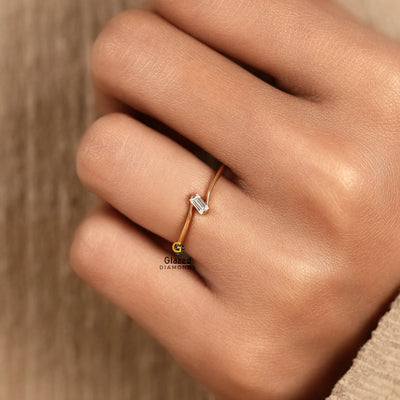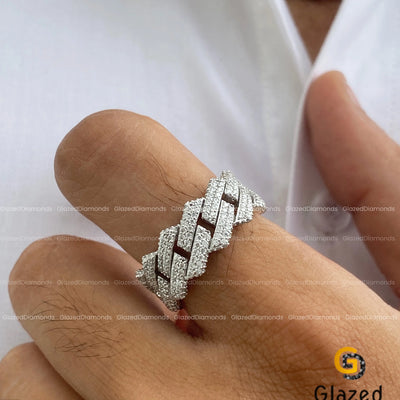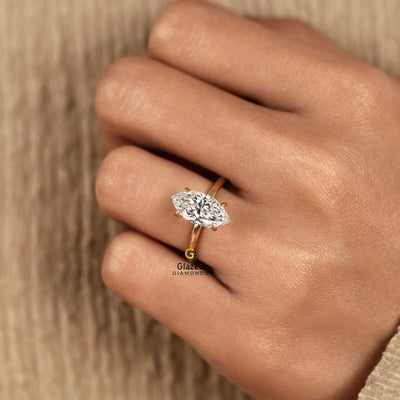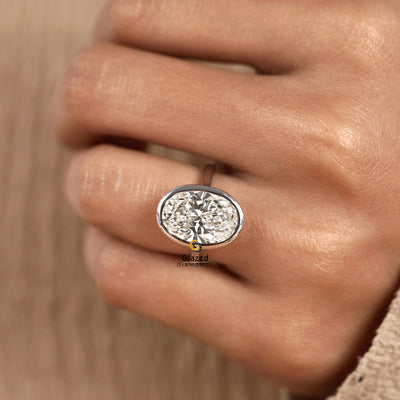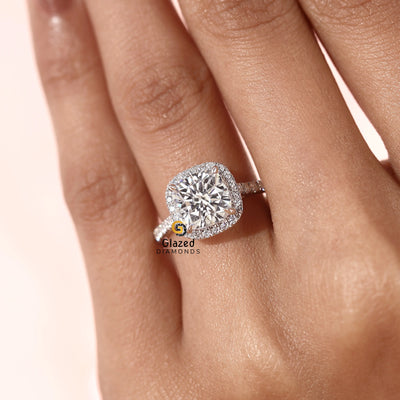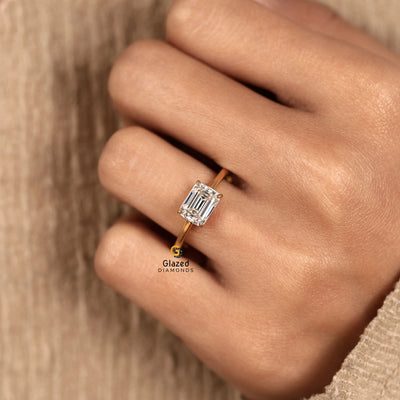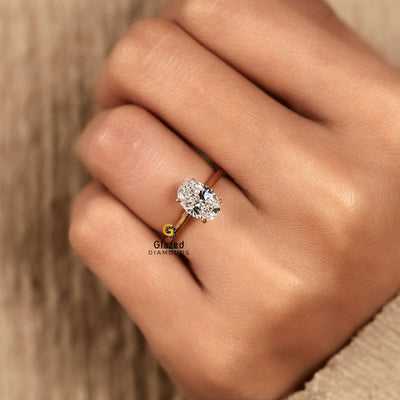



Gold has been valued for ages. Many people are drawn to its warm color and the fact that it is not easy to find. It also lasts well, even with daily wear. Because of that, gold is still a common pick for fine jewelry. You will see it in Engagement Rings and Wedding bands. You will also find it in necklaces, bracelets, earrings, and pendants.
When you look at gold items in a store, you will often see stamp marks. You may see 10K, 14K, and 18K. Those marks are not just there for looks. They tell you how much of the metal is real gold mixed into the alloy.
If you know the purity, you can better judge what a piece might be worth. It can also help you feel steadier when you are buying something new. In the guide here, you will learn how gold prices are set. You will also get a clear look at what 10K, 14K, and 18K mean. There is also a simple way to estimate gold value.
What Does Karat Mean in Gold?
Karat, sometimes written as K or KT, tells you How pure gold is. The karat system divides gold into 24 equal parts. So, when you see 24K on a piece, it means the gold is near pure. Pure gold is also quite soft.
Because of that softness, gold is not always simple to use for jewelry that gets worn every day. Many makers mix gold with other metals to make it harder. You will often see silver, copper, zinc, nickel, and palladium used for this.
The amount of Pure Gold in common Jewelry alloys is approximately:
-
10K Gold – 41.7% pure gold
-
14K Gold – 58.3% pure gold
-
18K Gold – 75% pure gold
-
22K Gold – 91.7% pure gold
-
24K Gold – approximately 99.9% pure gold
An 18K Gold Ring contains more real gold than a ring of the same weight made with 10K gold. So, if you keep the size and weight the same, the 18K ring typically has more gold metal per gram. That is why its gold value, based on content, is usually higher than 14K or 10K gold.
Buy 1 Get 1 Free Jewelry: The Complete Guide to Jewelry Combo Deals
Understanding 10K Gold
10K gold has 10 parts pure gold. The rest is made up of 14 parts other metals.
To calculate its purity:
10 ÷ 24 = 0.4167
Therefore, 10K gold is approximately 41.7% pure gold.
Since more of the mix is made from metals beyond gold, 10K gold usually holds up well. It is often a good choice for jewelry that gets worn often. It also tends to cost less than many similar items in 14K or 18K. You might see 10K gold in Rings, Chains, Earrings, Bracelets, Pendants, and other pieces meant for day to day use. A lower amount of pure gold does not mean it is fake. 10K is real gold alloy as long as it follows the required purity rules.
Understanding 14K Gold
14K gold is one of the most widely used gold purities in fine jewelry, particularly in the United States.
Its purity calculation is:
14 ÷ 24 = 0.5833
So, 14K gold has about 58.3% gold in it. The rest, 41.7%, is other metal mixes. A lot of people like 14K for jewelry because it hits a nice middle ground. You get a decent amount of gold, plus good strength, a good look, and a cost that often feels more reasonable than higher karat gold.
It is commonly used for:
Engagement rings, wedding bands, diamond rings, earrings, necklaces, tennis bracelets, pendants, and other fine jewelry. You can also find 14K gold in several shades.
That includes Yellow Gold, White Gold, and Rose Gold. The blend changes to get each color right. Even so, a piece that is clearly marked as 14K still has about the same amount of pure gold.
Understanding 18K Gold
If you want jewelry made with more pure gold, 18K gold is a popular pick. A lot of people are willing to spend a bit more for it.
Its purity is calculated as:
18 ÷ 24 = 0.75
18K gold is made from about 75% pure gold. The rest, around 25%, is other metals. With more pure gold in the mix, yellow gold usually looks deeper and warmer. It also tends to have more intrinsic precious metal value than the same weight of 10K or 14K gold.
You will often see 18K gold in luxury jewelry. It shows up in engagement rings, wedding bands, diamond jewelry, and similar high-end items.
Still, since it has more pure gold, it can be a bit softer than lower-karat gold.
What is a Hallmark: Jewelry Stamps, Gold Marks, and Purity Explained
How Is the Gold Price Determined?
Gold prices move all the time. Most international traders list prices for gold that is pure or almost pure. They do not usually publish retail prices for each type of jewelry, like 10K, 14K, or 18K pieces. A lot can push the price up or down.
Supply and demand around the world matter. So do inflation hopes, interest rates, and changes in currency values.
Central bank actions also play a role. Add geopolitical events and investor buying, and you have many drivers. Since the price keeps changing, use the latest spot rate when you estimate what gold is worth. Also check the unit used in the quote. Gold might be listed per troy ounce or per gram. A troy ounce is about 31.1035 grams.
How to Calculate Gold Value Per Gram
If you know the current price of pure gold per gram, it is easier to estimate how much gold is inside other karats.
The Basic Formula is:
Pure Gold Price Per Gram ÷ Gold Purity = Approximate Gold Value Per Gram
Gold price per gram times gold purity equals a rough gold value per gram. For instance, imagine pure gold sells for $100 per gram. This is just a made up example for clarity. It is not the real price in today’s market.
10K Gold Calculation
$100 × 0.417 = $41.70 per gram
Under this Example, the pure-gold content of 10K gold would have an approximate value of $41.70 per gram.
14K Gold Calculation
$100 × 0.583 = $58.30 per gram
The approximate pure-gold value of 14K gold would therefore be $58.30 per gram.
18K Gold Calculation
$100 × 0.750 = $75.00 per gram
A rough estimate for 18K gold is about $75 for each gram. These examples show how a higher karat can mean a bigger built-in gold value, even if two jewelry pieces weigh the same.
How to Calculate the Gold Value of Your Jewelry
If you know the weight and karat of a piece, you can estimate the value of its gold content with this formula.
Jewelry Weight in Grams × Gold Purity × Pure Gold Price Per Gram = Estimated Gold Content Value
Imagine you have a 10-gram 14K gold ring, and pure gold is hypothetically priced at $100 per gram.
The calculation would be:
10 × 0.583 × $100 = $583
So, based solely on the gold content, the estimated intrinsic gold value would be approximately $583.
Remember that this is not necessarily what the ring would cost in a jewelry store or what a buyer would pay you for it.
Gold Value vs. Jewelry Retail Price
People often miss something When they look at Gold Jewelry. Many think the shop price should match what the raw gold is worth. That is not how the product is made or priced. A finished ring or necklace is not just metal. It is a full item with extra work and parts.
The sticker price can include things like the design plan, skilled making, factory steps, and paid labor. It may also reflect stones such as Diamonds, The time to set them, and the final polish. There are also costs tied to the brand name, the box or packaging, shipping, and the store that sells it.
Take a 14K gold Diamond Engagement Ring. The ring can cost far more than the gold alone would suggest.
The Diamond stones, the setting, The look, and the hand work all add to the final price. Also, when you sell later, the resale amount may be different from the first store price. It may also be different from the simple melt value people estimate at home.
Yellow Gold, White Gold and Rose Gold Value
Gold Jewelry can come in different shades, yet the shade by itself does not tell you the gold purity. For instance, 14K yellow, 14K white, and 14K Rose gold all have about 58.3% gold in them. So the real change is What other metals are mixed in.
Yellow Gold is often made with alloys to keep a classic warm look. White gold uses different alloys to get a cooler, paler look, and it is commonly covered with a thin layer of rhodium. Rose gold usually includes more copper, which is why it shows a pink or red tint.
Because of this, if you are trying to judge the actual gold value, look more at the karat and the total Weight than at the color.
10K vs. 14K vs. 18K Gold: Which Should You Choose?
There is no single karat that suits every jewelry buyer.
10K gold can be a practical option When affordability and durability are priorities.
14K gold offers a middle ground between gold purity, durability, appearance, and price, which is why it is commonly used for Engagement rings and everyday fine jewelry.
18K gold contains significantly more pure gold and may appeal to buyers who prefer higher gold content and a richer appearance.
Pick what fits your budget first. Think about your day to day routine and the look you want. Decide how often you will wear the piece. Also weigh how much you care about having a higher gold purity.
Check Gold Hallmarks Before Buying
When purchasing Gold Jewelry, check for a hallmark or purity stamp.
Common Markings include:
· 10K or 417
· 14K or 585
· 18K or 750
The numbers show about How much pure gold is in each 1,000 parts. For instance, a 750 mark usually means the item has around 75% gold. That lines up with 18K. Checking hallmarks can help too. Still, with costly pieces or items bought second-hand, it is smart to get a skilled test.
That gives extra confirmation. Once you see what 10K, 14K, and 18K mean, gold jewelry pricing starts to feel clearer. People can then follow Where the value comes from. Here is the main idea. Higher karat means a higher share of pure gold. 10K is about 41.7% gold. 14K is about 58.3%. 18K is 75%. To guess the metal value, use a simple step. Take the piece weight, then match it to the purity percent.
Multiply that result by the current price of pure gold per gram. Keep in mind, though, gold purity is not the whole story. The final shop price can change a lot due to diamonds, other stones, workmanship, style, and the way it is made and set.
Whether you are comparing a Gold Engagement Ring, Final Thoughts
When you know how gold purity is measured and how the price is set, it is easier to make sense of what you are buying. Whether it is a wedding band, a bracelet, a necklace, or another fine jewelry piece, the details matter.