


Rolex does not manufacture skeleton watches. Every skeleton Rolex available in the market exists as an aftermarket modification or counterfeit.
Rolex skeleton watches flood the resale market, social media feeds, and luxury watch forums. These timepieces showcase exposed movements with visible gears, intricate mechanical details on full display, often commanding premium prices.
The confusion around their authenticity stems from one fundamental question: Does Rolex actually manufacture skeleton watches?
Rolex does not produce skeleton watches as part of its official catalog. Every skeleton Rolex circulating in the market represents either an aftermarket modification of a genuine watch or a counterfeit product.
This reality surprises many buyers, particularly given how frequently these pieces appear at watch shows, on celebrity wrists, and through high-end resellers. The market treats them as legitimate luxury items, yet their origins tell a different story.
Understanding the distinction between factory-original Rolex watches and modified or fake pieces protects buyers from costly mistakes. The skeleton Rolex phenomenon reveals broader truths about luxury watch authentication, aftermarket modifications, and the gap between brand philosophy and consumer demand.
Do Rolex Skeleton Watches Officially Exist?
Rolex has never manufactured a skeleton watch in their standard production lineup. The brand's entire catalog focuses on enclosed, sealed movements designed for durability and precision.
Rolex's design philosophy centers on tool watch functionality. Submariner models serve professional divers at depths reaching 300 meters. GMT-Master watches support pilots crossing multiple time zones. Daytona chronographs track racing performance. These instruments prioritize reliability over visual display.
Skeletonization contradicts this approach by removing material from dials and movements to expose inner mechanics. This process weakens structural integrity, compromises water resistance, and exposes precision components to environmental contaminants like dust and moisture.
According to the Federation of the Swiss Watch Industry, Rolex produces approximately 1 million watches annually. Zero models feature skeleton dials or movements in factory-original condition.
Rolex occasionally creates unique pieces for private collectors or museum exhibitions. These one-off creations never enter commercial production and don't represent the brand's manufacturing standards or design principles.
The absence of skeleton watches from Rolex's catalog stems from deliberate brand positioning, not manufacturing limitations. Rolex possesses the technical capability to produce skeleton timepieces but chooses not to pursue this design direction.
Why Skeleton Rolex Watches Appear Online
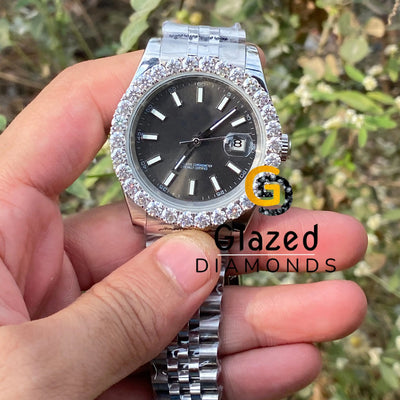
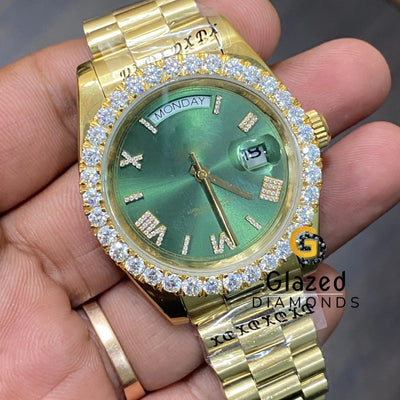
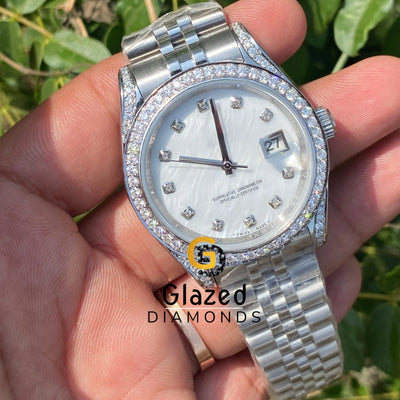
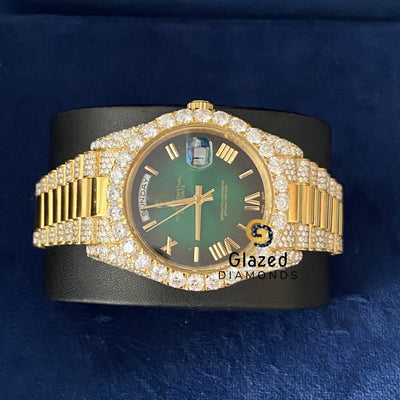
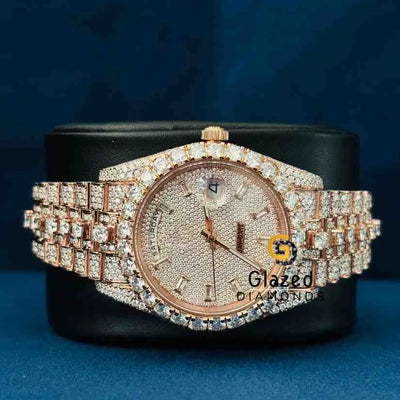
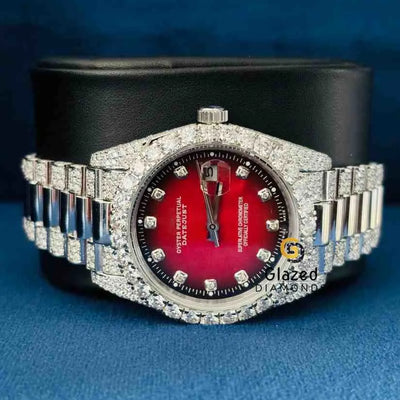
Aftermarket modification shops create the majority of skeleton Rolex watches available for purchase. Third-party jewelers and watch customizers purchase genuine Rolex timepieces and then alter them through dial removal, movement skeletonization, diamond setting, and bezel replacement.
This modification process remains legal. Watch owners possess the right to customize their property. However, these alterations void manufacturer warranties, eliminate authorized Rolex service eligibility, and fundamentally change the watch's identity from factory-original to custom modification.
The aftermarket modification industry operates through several channels:
-
Bust-down specialists focusing on diamond-heavy customization
-
Independent watchmakers offering movement finishing services
-
Custom jewelers creating unique dial and case modifications
-
Gray market dealers sourcing and reselling modified pieces
Modification costs range from $10,000 to $50,000 depending on the base model and customization complexity. A modified Rolex Daytona with full skeleton work and diamond setting can exceed $75,000 in total investment.
The secondary market circulates these modified pieces through Instagram dealers, private watch forums, and luxury resale platforms. Many buyers purchase these watches believing they represent rare Rolex variants rather than third-party modifications.
Counterfeit operations produce the remaining portion of skeleton Rolex watches. These fakes range from obvious replicas selling for $200 to sophisticated counterfeits commanding $5,000 or more. Counterfeiters exploit the skeleton design's visual appeal while using cheap movements, inferior materials, and sloppy finishing.
Are Skeleton Rolex Watches Authentic or Modified?
A skeleton Rolex containing genuine Rolex components still doesn't qualify as an authentic Rolex watch in factory-original condition. The distinction separates into three categories:
Authentic Rolex: Manufactured entirely by Rolex with zero modifications. Movement, dial, case, and bracelet remain in factory-original state matching the brand's production specifications.
Modified Authentic Rolex: Started as a genuine Rolex but underwent third-party alterations. The case, movement, and bracelet may contain real Rolex parts, yet the watch no longer represents Rolex's design standards or quality control.
Counterfeit Rolex: Complete fabrication using no genuine Rolex components. May display Rolex branding and logos but contains Chinese or Swiss ETA clone movements with inferior materials and construction.
Market analysis indicates approximately 65% of skeleton Rolex watches sold online are modified authentic pieces. Another 30% represent complete counterfeits. The remaining 5% includes high-end custom commissions from established modification specialists.
Modified Rolex watches lose warranty coverage immediately upon alteration. Authorized Rolex service centers refuse to service modified pieces. Resale value drops significantly in traditional luxury watch markets, though certain modification houses maintain their own collector followings.
The modification status must be disclosed during resale. Representing a modified Rolex as factory-original constitutes fraud. Buyers should demand explicit confirmation of modification history before completing purchases.
How to Tell If a Rolex Watch Is Real or Fake
Authentic Rolex watches feature smooth, plain case backs without transparent exhibition windows. Modern Rolex production has eliminated exhibition case backs entirely, with rare exceptions for certain vintage models from the 1930s.
A skeleton Rolex displaying a transparent case back showing the movement indicates modification or counterfeit status. Rolex's current manufacturing standards prohibit this design element.
Movement inspection reveals authenticity through several markers:
Rolex movements receive exceptional finishing even on components hidden from view. Visible movements should display precise machining, consistent finishing patterns, and Rolex-specific components including the blue Parachrom hairspring.
Movement engravings must show caliber numbers, balance wheel specifications, and Rolex branding exactly matching the model's production specifications. Counterfeit movements use cheaper ETA clones or Chinese calibers with misaligned components, incorrect markings, and inconsistent finishing quality.
Serial and model number verification:
Every authentic Rolex engraves a serial number between the lugs at 6 o'clock and a model reference number at 12 o'clock. These engravings should appear deeply cut, perfectly aligned, and correlate with Rolex's documented production records for that specific model year.
Fake watches typically show shallow engravings, incorrect fonts, or serial numbers that don't match the model's production timeline. Cross-referencing serial numbers against Rolex production databases confirms or refutes authenticity.
Build quality assessment:
Authentic Rolex watches use 904L stainless steel or precious metals, creating substantial weight and density. Competitors typically use standard 316L steel, which feels lighter and less substantial.
A skeleton Rolex feeling lightweight or flimsy indicates either counterfeit construction or extreme modification compromising structural materials.
Common Authentication Red Flags
|
Warning Sign |
Implication |
|
Visible movement through dial |
Aftermarket modification or counterfeit |
|
Exhibition case back |
Not factory Rolex for modern models |
|
Misaligned text or logos |
Likely counterfeit |
|
Poor finishing on exposed components |
Low-quality modification or fake |
|
Price below market rate |
Counterfeit or undisclosed issues |
|
Missing documentation |
Questionable authenticity or stolen property |
|
Seller resistance to authentication |
Fraudulent sale attempt |
Professional authentication services from certified watchmakers provide definitive verification. The cost of authentication ($150-$300) pales compared to the financial loss from purchasing a counterfeit or misrepresented timepiece.
Why Rolex Does Not Produce Skeleton Watches
Rolex's tool watch heritage fundamentally opposes skeleton design philosophy. The brand built its reputation on watches functioning in extreme conditions where reliability outweighs aesthetic display.
The Submariner was engineered for professional divers reaching 300-meter depths. The Explorer accompanied Sir Edmund Hillary during the Mount Everest expedition. The GMT-Master was developed specifically for Pan Am pilots. These instruments serve functional purposes first, with luxury positioning as a secondary characteristic.
Skeletonization reduces these functional capabilities. Material removal from dials and movements decreases structural integrity and creates exposure points where environmental damage can occur. Sealed case construction and water resistance ratings depend on continuous material coverage protecting internal components.
Rolex maintains over 400 active patents related to movement protection, case construction, and water resistance according to the Swiss Federal Institute of Intellectual Property. Skeleton designs would contradict many of these protective innovations developed over decades.
The brand's positioning strategy also influences this decision. Rolex differentiates through understated elegance and proven performance rather than visual drama. Skeleton watches appeal to brands like Hublot, Richard Mille, and Audemars Piguet that position themselves differently within luxury market segments.
Rolex doesn't require visual theatrics to maintain brand value. Their market position derives from heritage, precision engineering, and exclusivity in existing designs. Adding skeleton watches would dilute this brand identity without providing competitive advantage.
The technical capability exists within Rolex's manufacturing infrastructure to produce skeleton watches. The choice represents brand philosophy, not manufacturing limitation.
The Growing Popularity of Skeleton Watch Designs
The global luxury watch market experienced a 34% increase in skeleton and open-heart design searches from 2020 to 2023 according to Luxury Institute data. Major manufacturers including Patek Philippe, Vacheron Constantin, and independent watchmakers have expanded skeleton offerings in response to consumer demand.
Skeleton watches transform mechanical movements from hidden components into visible art. Consumers appreciate seeing precision gears, springs, and escapements working in synchronized motion. The design turns functional mechanics into aesthetic features.
Brands producing legitimate skeleton watches engineer movements specifically for display purposes. These manufacturers design architectural movement layouts, apply decorative finishing techniques, and incorporate structural reinforcement compensating for removed material.
Key manufacturers of authentic skeleton watches include:
-
Patek Philippe: High complications with skeletonized movements
-
Vacheron Constantin: Traditional skeletonization techniques
-
Hublot: Contemporary skeleton designs with technical materials
-
Roger Dubuis: Bold architectural skeleton movements
-
MB&F: Avant-garde mechanical art pieces
-
Stuhrling: Accessible skeleton watches under $500
-
Fossil: Entry-level skeleton designs for casual wear
These brands design skeleton timepieces from initial concept rather than modifying existing enclosed movements. The engineering approach accounts for material removal during development rather than retrofitting existing designs.
Taking an enclosed Rolex movement and removing dial material doesn't produce equivalent results. Rolex movements were engineered for sealed operation, not visual display. Material removal compromises the original engineering intent.
The distinction between purpose-built skeleton watches and modified enclosed movements separates legitimate luxury products from aftermarket customizations.
Learning to Appreciate Watches the Right Way
The luxury watch market contains extensive misinformation, sophisticated counterfeits, and deceptive marketing. Buyers entering this market without research face significant financial risk.
Research forms the foundation of informed purchasing. Understanding brand histories, manufacturing processes, and authentication markers prevents costly mistakes. The investment in knowledge provides returns exceeding any single watch purchase.
For buyers attracted to skeleton aesthetics, several legitimate options exist:
Purchase from brands engineering skeleton timepieces from inception. Hublot, Roger Dubuis, and MB&F offer authentic skeleton watches with proper engineering and brand support. Entry-level brands like Stuhrling and Fossil provide skeleton designs at accessible price points.
Buyers seeking Rolex ownership should purchase authentic, unmodified timepieces appreciating them as precision instruments with proven performance records spanning decades.
At Glazed Diamonds, the focus remains on transparency and informed buying rather than speculation or hype.
The luxury watch industry profits from information asymmetry where sellers possess knowledge advantages over buyers. Educated consumers neutralize this advantage through research, authentication services, and patient decision-making.
Rushing purchases based on social media posts or dealer pressure leads to regret. Taking time to verify authenticity, research market values, and confirm seller reputation protects against fraud.
Final Thoughts
Rolex does not manufacture skeleton watches. Any skeleton Rolex available for purchase underwent third-party modification or represents a counterfeit product.
Some aftermarket skeleton Rolex watches represent legitimate custom work from reputable modification shops. These pieces can justify their prices when properly disclosed as modifications rather than factory-original watches. Buyers must understand exactly what they're purchasing and pay accordingly.
The critical question isn't whether skeleton Rolex watches exist in the market. They clearly do. The question becomes whether buyers want modified luxury watches or authentic timepieces in factory-original condition.
Understanding this distinction prevents overpayment for counterfeit products, enables informed purchasing decisions, and leads to greater satisfaction with watch acquisitions.
The luxury watch market rewards knowledge. Authentication expertise, brand history understanding, and modification awareness separate successful collectors from victims of fraud.