


White gold is a man-made alloy. Pure yellow gold is mixed with white metals like nickel, silver, or palladium to change its color and make it harder. A standard 18K white gold piece is about 75% gold and 25% nickel and zinc. The finished piece is coated with rhodium to give it a clean, silver-white shine.
It was made to look like platinum but cost less. Today it is one of the most popular metals in USA fine jewelry — used in engagement rings, moissanite rings, moissanite watches, Cuban link chains, and pendants.
The sections below cover what white gold is made of, how 10K, 14K, and 18K compare, how it stacks up against yellow gold, and which karat is best for different jewelry types.
Where Does White Gold Come From?
White gold is a man-made alloy, not a metal found in nature. It is produced by combining pure yellow gold with white metals such as nickel, palladium, or silver. The result is a harder, pale-toned metal, typically finished with a rhodium coating to produce a bright, silver-white surface.
What is White Gold Made Of?
White gold is an alloy, not a pure metal. Pure gold is mixed with at least one white metal to reduce its natural yellow tone and increase hardness.
The most common additions are:
• Palladium — higher-end, hypoallergenic, used in premium white gold alloys
• Silver — less expensive, often paired with zinc for added strength
• Nickel — affordable but can cause skin reactions in sensitive wearers
• Zinc — added in small amounts to improve workability and durability
The mix used depends on the manufacturer and karat grade. A palladium-based 18K white gold alloy will look and feel different from a nickel-based 10K version, even before any surface treatment is applied.
What Makes White Gold White?
Two things work together to produce white gold's color: the alloy composition and the rhodium coating.
Pure gold is yellow. Mixing it with white metals reduces that yellow tone, but the alloy alone rarely achieves a truly white appearance. Rhodium is applied as the final manufacturing step to produce the clean, mirror-bright finish.
Rhodium plating wears down over time, particularly on rings, which experience more friction than other pieces. When plating thins, the warmer undertone of the alloy becomes visible. Re-plating is a standard service at most jewelers, typically ranging from $50 to $150 depending on the piece.
Pendants, chains, and earrings hold plating longer than rings because they have less surface contact during daily wear.
White Gold Karat Grades: 10K, 14K, and 18K Compared
Karat measures the proportion of pure gold in an alloy. Higher karat means more gold and less alloy metal present. All white gold sits below 24K because pure 24K gold is too soft for practical jewelry use.
|
Karat |
Gold Content |
Best For |
|
10K white gold |
41.7% |
Everyday wear, budget fashion jewelry |
|
14K white gold |
58.3% |
Rings, chains, moissanite settings |
|
18K white gold |
75% |
Luxury settings, fine jewelry |
What is 10K White Gold?
10K white gold contains 41.7% pure gold and the highest proportion of alloy metals, making it the most durable and most affordable option. It is commonly used in everyday fashion pieces and stacked rings where long-term surface hardness is the priority.
What is 14K White Gold?
14K white gold contains 58.3% pure gold and is the most widely used karat for engagement rings, moissanite settings, and fine chains in the USA. It balances gold purity, hardness, and price well. The higher alloy content compared to 18K also makes it more resistant to scratching, which matters for prong-set stones worn daily.
What is 18K White Gold?
18K white gold contains 75% pure gold. It is softer, more expensive, and preferred for luxury settings where gold purity is the priority over durability. It responds well to rhodium plating, producing a bright, uniform surface that enhances stone brilliance. The trade-off: prongs in softer 18K metal can shift with active daily wear over time, affecting stone security in rings worn regularly.
White Gold vs Yellow Gold
White gold and yellow gold start from the same base: pure gold. The difference is which metals are added to the alloy and how the surface is finished.
|
Feature |
White Gold |
Yellow Gold |
|
Color |
Silver-white (rhodium plated) |
Warm yellow |
|
Maintenance |
Re-plating every 1-3 years |
No plating needed |
|
Durability |
High (alloy adds hardness) |
Slightly softer at same karat |
|
Price |
Similar at same karat |
Similar at same karat |
|
Skin tone pairing |
Cool and neutral tones |
Warm and olive tones |
|
Best aesthetic |
Modern, iced-out, minimal |
Classic, vintage, warm-toned |
What is More Expensive, White Gold or Yellow Gold?
At the same karat, both metals are priced very similarly because gold content drives raw material cost. White gold can run slightly higher due to the rhodium plating step in manufacturing, but the difference is modest. Karat level is the primary cost driver for both, not the color.
What Does White Gold Look Like in Hip Hop and Iced-Out Jewelry?
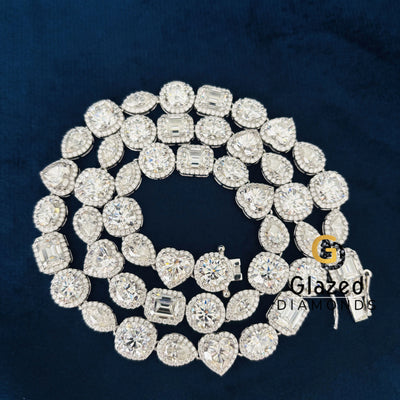
White gold has a bright, reflective silver-white appearance that reads similarly to platinum in photos and at a distance. The rhodium coating produces a high-polish, mirror-like surface that pairs well with colorless stones.
Under direct light, white gold and platinum are visually difficult to tell apart. The practical differences are weight and cost — platinum is denser and significantly more expensive. White gold delivers a near-identical look at a lower price point.
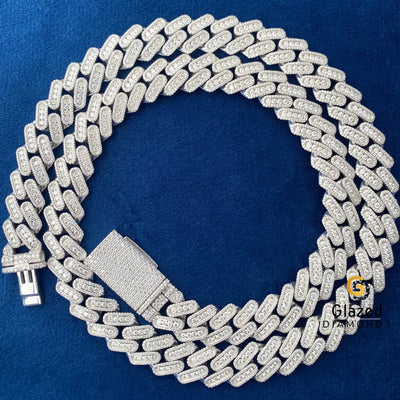
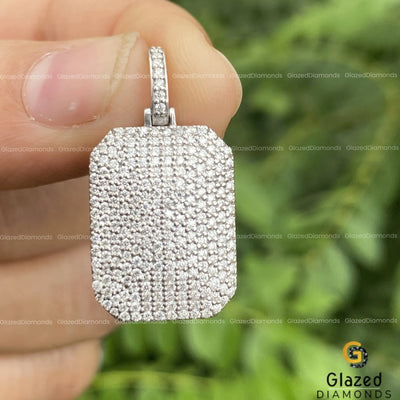
In hip hop jewelry, white gold is particularly effective for iced-out pieces. Moissanite Cuban link chains and moissanite pendants in white gold settings produce a unified visual output where the metal and stones reflect at similar brightness levels. That consistency is part of why white gold dominates iced-out jewelry — yellow gold introduces a color contrast that breaks up the overall visual impact of the stones.
What is the Best White Gold?
14k white gold is the best choice for most buyers. It offers the right combination of gold content, scratch resistance, and cost.
18k white gold suits luxury fine jewelry and pieces intended for occasional or event wear rather than daily contact.
10k white gold is the right call for everyday chains, stacked rings, and fashion pieces where budget is the primary factor.
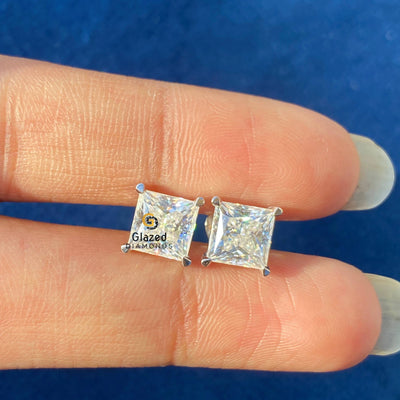
For moissanite rings, 14k white gold is the most commonly chosen metal. It holds prong settings more securely than 18k, maintains its appearance between re-plating cycles, and costs less without sacrificing visual quality. This is a practical detail buyers often discover after purchasing — softer 18k prongs can shift with regular wear, affecting stone security in actively worn ring settings.
Conclusion
White gold is a practical, high-performing metal for rings, chains, pendants, and fine jewelry. Understanding the karat differences — and the maintenance reality around rhodium re-plating — helps buyers make a confident, informed decision.
Glazed Diamonds carries moissanite jewelry across a full range of styles and settings. Please review our returns policy before purchase.