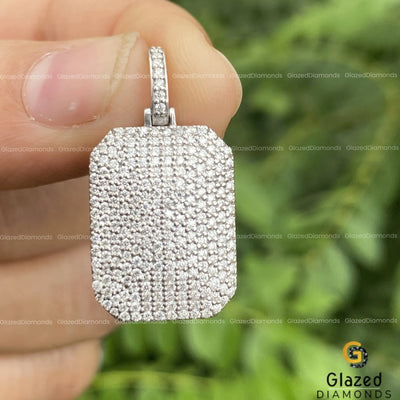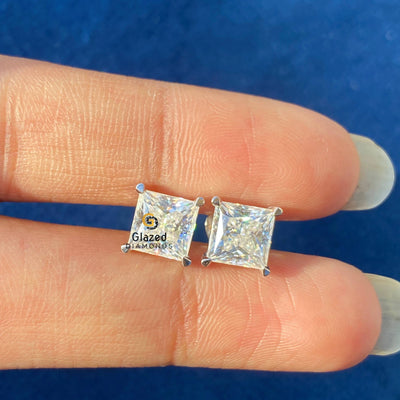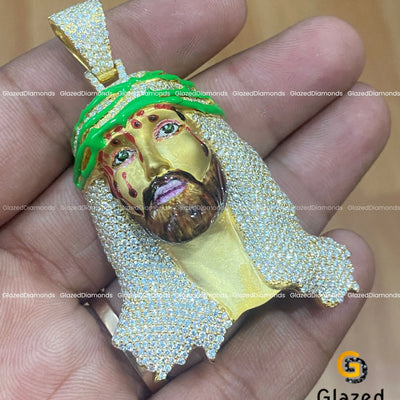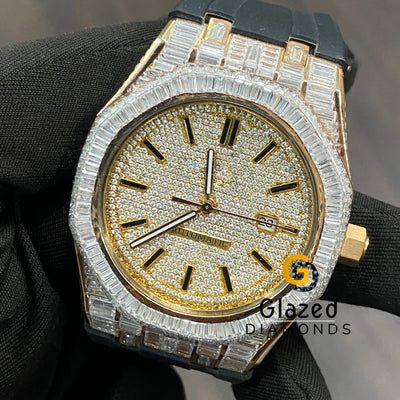



The 750 stamp on jewelry means the piece is made of 18-karat gold — 75% pure gold by composition. It's one of the most common purity marks found on rings, chains, bracelets, and gold-set pieces worldwide. If you've spotted this mark on something you own or are considering buying, you're looking at solid, premium gold. Gold-stamped pieces range from 18K engagement rings to Cuban link chains and iced out watches — and knowing what the 750 mark confirms helps you buy with confidence.
This guide covers exactly what the 750 stamp means, how it compares to other gold marks, and what to look for before purchasing 750 gold jewelry.
What Does 750 Mean on Jewelry?
750 on jewelry means the piece contains 750 parts pure gold out of 1,000 — or 75% gold by weight. This is the international metric standard for 18-karat gold.
The karat system divides gold into 24 equal parts. In an 18-karat piece, 18 of those 24 parts are pure gold — which equals 75%. The "750" marking expresses that same purity in parts per thousand, a system widely used across Europe and Asia.
The remaining 25% consists of alloy metals such as copper, silver, palladium, or nickel. These metals strengthen the piece. Pure gold on its own is too soft for everyday jewelry and bends or scratches with minimal force.
What Is 750 Gold?
750 gold is 18-karat gold — a gold alloy composed of 75% pure gold and 25% other metals. It sits between 14K (585) and 24K (999) on the purity scale, and it is the standard used for high-end fine jewelry globally.
The alloy content is what gives 750 gold its durability. At 18K, the metals added to pure gold create a harder, more scratch-resistant material while keeping gold content high enough to maintain a rich, deep color.
750 gold is available in three color variations:
-
Yellow gold — classic alloy with copper and silver
-
White gold — mixed with palladium or nickel, typically rhodium-plated for a bright finish
-
Rose gold — higher copper ratio produces a warm, pinkish tone
All three carry the same 750 purity. The color comes entirely from the alloy metals used, not from variations in gold content.
750 Gold vs 18K Gold — Are They the Same?
Yes. 750 gold and 18K gold are identical. Both terms refer to the same alloy at the same purity level.
|
Term |
Gold Content |
System Used |
|
18K Gold |
75% pure gold |
Karat system (USA standard) |
|
750 Gold |
75% pure gold |
Millesimal fineness (Europe / international) |
The karat system is standard in the USA. The millesimal fineness system — which uses numeric stamps like 750, 585, and 999 — is used across Europe and parts of Asia. A 750 stamp and an 18K stamp mean exactly the same thing. Buyers shopping internationally will encounter both.
What Does "AU 750" Mean on Jewelry?
AU is the chemical symbol for gold, derived from "Aurum" — the Latin word for gold. An AU 750 stamp confirms the piece is 18-karat gold and meets internationally recognized gold purity standards.
Certain European jewelry brands and luxury manufacturers use AU 750 as a combined hallmark, pairing the element symbol with the millesimal fineness number. It carries no different meaning from a plain 750 stamp. Both indicate 75% pure gold content.
How to Tell If 750 Gold Is Real
Verifying a 750-stamped piece before purchase is straightforward with these checks:
-
Find the stamp — genuine 750 gold has a clean, evenly engraved mark. Common locations: inside a ring band, on a necklace clasp, or on the back of a pendant bail
-
Magnet test — real gold is non-magnetic. A piece that sticks to a magnet is likely base metal or heavily alloyed
-
Inspect the stamp closely — under strong light, an authentic stamp is uniform in depth and character size. Blurry edges, shallow depth, or misaligned numerals indicate a fake or gold-plated piece
-
Acid test — an 18K gold testing kit applies reagent to a small metal streak; genuine 750 gold will not dissolve or react
-
Professional appraisal — XRF (X-ray fluorescence) testing confirms gold purity without damaging the piece and is the most reliable method for high-value purchases
A practical check: verify that the findings — clasps, jump rings, settings — also carry gold stamps. A 750 pendant on a base-metal chain is one of the most common signs of a misleading piece.
On moissanite bracelets and chains, check the clasp or connecting link where the purity stamp is typically engraved.
Is 750 Gold Valuable?
750 gold is premium-grade jewelry gold. At 75% pure gold content, its intrinsic value moves directly with the gold spot price.
A simple calculation for raw gold value: Current gold spot price × 0.75 × weight in troy ounces = metal value
Beyond the metal content, a finished 750 gold piece also carries value based on craftsmanship, brand, and any gemstone settings. Pieces like 18K gold Cuban link chains carry strong resale demand because of both their gold content and cultural desirability.
Additional advantages of 750 gold:
-
Resistant to tarnish and corrosion in normal daily conditions
-
Less likely to cause skin irritation than lower-karat gold, which contains higher concentrations of reactive alloy metals
-
Retains color and luster longer than 10K or 14K pieces
750 Gold vs 585 vs 999 — Purity Comparison
|
Stamp |
Karat |
Gold Content |
Typical Use |
|
999 |
24K |
99.9% pure gold |
Investment bars, ceremonial pieces |
|
916 |
22K |
91.6% pure gold |
Traditional jewelry, softer for daily wear |
|
750 |
18K |
75.0% pure gold |
Fine jewelry, rings, chains, pendants, watches |
|
585 |
14K |
58.5% pure gold |
Everyday wear, more affordable option |
|
417 |
10K |
41.7% pure gold |
Budget-friendly jewelry |
18K (750) sits in the optimal range for fine jewelry buyers. 24K is too soft for most wearable pieces. 10K and 14K contain enough alloy metal to noticeably reduce the depth of the gold tone. 750 gold delivers richness, durability, and verified gold value in a single mark.
Can 750 Gold Tarnish or Fade?
750 gold does not tarnish under normal conditions. The high gold content provides strong resistance to oxidation, corrosion, and the effects of moisture and sweat.
White 750 gold is typically rhodium-plated for brightness. Over time, the rhodium layer can thin, revealing a slightly warmer base tone — but the gold alloy underneath remains unaffected. A professional re-plating restores the original finish quickly.
To protect 750 gold pieces long-term:
-
Remove jewelry before entering pools or hot tubs — chlorine degrades alloy metals over time
-
Avoid contact with bleach-based cleaners and harsh chemicals
-
Clean with mild soap and a soft cloth; rinse and dry thoroughly
Where Is the 750 Stamp Found?
The location of a gold purity stamp depends on the type of jewelry:
-
Rings — inside the band, typically on the inner face
-
Necklaces and chains — on or directly beside the clasp
-
Bracelets — on the inner side of the clasp or on a flat link near the closure
-
Pendants — on the bail (the loop connecting pendant to chain) or on the back face
On moissanite pendants and moissanite rings set in gold, the stamp follows the same convention — check the inner band or bail first.
Stamps are placed in discreet spots to preserve the visual appearance of the piece. A magnifying loupe or strong directional light makes them easy to locate.
Should You Buy 750 Gold Jewelry?
750 gold is the right choice for buyers prioritizing a combination of quality, durability, and long-term value. It is the global benchmark for fine jewelry and is the standard used in engagement rings, high-end chains, luxury pendants, and premium watch bezels.
Key reasons buyers choose 750 gold:
-
High intrinsic gold value at 75% purity — directly tied to gold spot price
-
Strong resistance to tarnish and common skin reactions
-
Deep, rich color that 10K and 14K gold cannot replicate
-
Widely recognized and accepted in the secondary jewelry market
-
Available in yellow, white, and rose gold variations to suit different styles
For moissanite jewelry set in gold — including rings, chains, and pendants — 750 gold settings are used in premium pieces because the metal holds stones securely and adds lasting material value to the overall piece.
Final Thoughts
The 750 stamp is one of the clearest quality signals in fine jewelry. It confirms 75% pure gold, internationally recognized purity compliance, and a piece built to last under real-world conditions.
For buyers in the USA, understanding the difference between karat notation (18K) and metric notation (750) removes the guesswork when shopping online, at auction, or from international sellers. Both markings mean the same thing — premium gold content you can verify before you buy.
At Glazed Diamonds, the full range of moissanite jewelry is designed for buyers who take quality seriously — from stone grading to the metal it's set in.
FAQs
What does 750 mean on jewelry?
750 on jewelry means the piece is made of 18-karat gold — 75% pure gold by weight. The remaining 25% is alloy metals such as copper, silver, or palladium that add strength and durability.
Is 750 gold real gold?
Yes. 750 gold is genuine 18-karat gold with 75% pure gold content. It is one of the most widely accepted standards for fine jewelry across the USA, Europe, and Asia.
Is 750 gold the same as 18K?
Yes. 750 and 18K refer to identical gold purity. 18K is the karat notation standard in the USA; 750 is the millesimal fineness notation used in Europe and internationally. They indicate the same 75% gold composition.
Is 750 gold valuable?
Yes. At 75% gold content, 750 gold carries significant intrinsic value tied to the current gold spot price. Value is calculated based on gold price, the weight of the piece, and any craftsmanship or gemstone premium on top of the raw metal value.
Can 750 gold tarnish?
750 gold does not tarnish under normal daily conditions. Its high gold content provides strong resistance to oxidation and corrosion. Yellow 750 gold maintains its color with basic care over many years.
Where is the 750 stamp located on jewelry?
The stamp is in a discreet spot — typically on the inside of a ring band, on the clasp of a necklace or bracelet, or on the bail of a pendant. A magnifying glass or loupe helps locate it clearly.