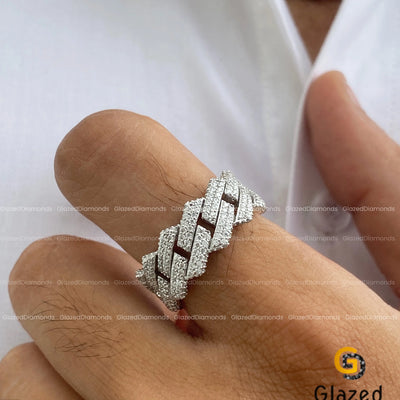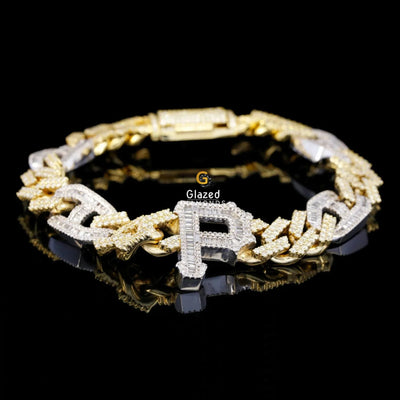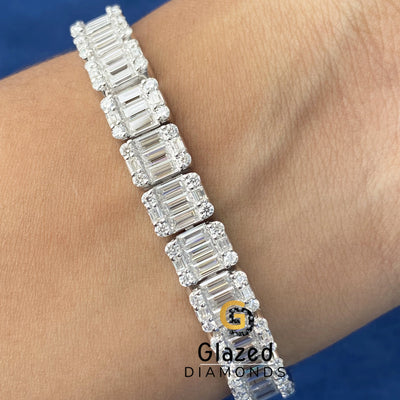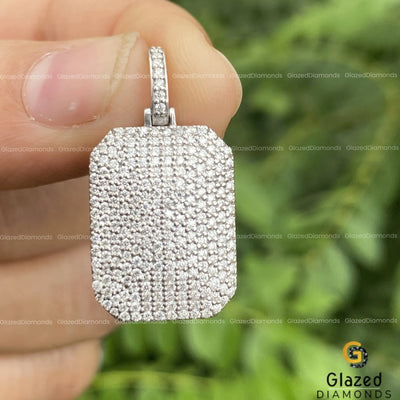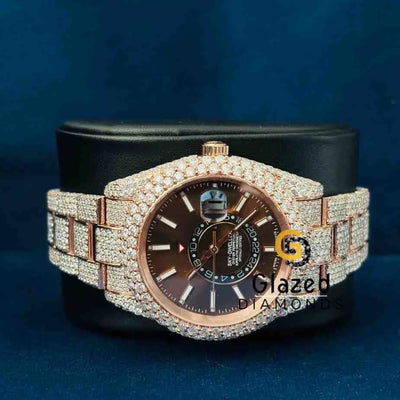



The difference between 10K vs 14K gold comes down to one number: how much of the metal is actually pure gold. That single factor drives the color, the price, the durability, and the long-term value of every piece — from rings and chains to iced out moissanite watches and bracelets.
Most buyers pick a karat without fully understanding what it means. This guide covers everything: purity, hardness, color, price per gram, skin safety, and which karat fits which type of jewelry.
What Does Karat Mean in Gold?
Karat (abbreviated K) measures gold purity on a 24-part scale. Pure gold is 24K. Since pure gold is too soft for everyday wear, it is mixed with alloy metals such as copper, silver, zinc, and nickel to create a harder, more practical metal.
The alloy mix affects more than hardness. It changes color tone, tarnish resistance, skin compatibility, and long-term resale value.
The most common karats sold in the US:
-
24K — 99.9% gold (rarely used in jewelry; too soft)
-
18K — 75% gold
-
14K — 58.3% gold
-
10K — 41.7% gold
Both 10K and 14K are real, solid gold. US law requires a minimum of 10K for any piece to be marketed and sold as gold. Anything below that cannot carry the gold label.
10K vs 14K Gold: Full Comparison

Color: How Different Do They Actually Look?
The color gap between 10K and 14K gold is real and visible, most obviously in yellow gold.
Yellow gold: 10K carries a noticeably paler, lighter hue. 14K reads as the classic warm golden tone most buyers associate with quality fine jewelry. Place the two side by side and most people can identify the difference immediately.
Rose gold: The dynamic reverses here. 10K rose gold looks more pink and vibrant because of the higher copper content in the alloy mix. 14K rose gold produces a softer, more balanced warmth. For a bold pink statement, 10K delivers it stronger. For a classic, subtle rose tone, 14K is the cleaner result.
White gold: Minimal visible difference at the surface. Both 10K and 14K white gold are rhodium-plated, giving them an identical bright white finish. As plating wears over time, 10K may appear slightly lighter underneath. Both require periodic re-plating to maintain the white surface.
Durability: Which Gold Is Actually Harder?
10K gold is harder than 14K gold. This surprises most buyers who assume higher purity equals higher quality in every category.
Because 10K contains more alloy metals, it has a measurably higher Mohs hardness — approximately 3.5 to 4.0 versus 3.0 to 3.5 for 14K. The higher alloy content makes it more scratch-resistant and better suited to high-impact daily use.
10K gold is a practical choice for:
-
Rings and bracelets worn during physical activity or manual work
-
Everyday pieces exposed to consistent friction and impact
-
Buyers who want maximum durability at a lower price
14K is slightly softer but still highly durable for typical daily wear. The hardness gap is real but not dramatic for most wearers under standard conditions.
One area where 10K falls short: tarnish resistance. 10K tarnishes faster because the higher copper content in the alloy reacts more readily with sweat, moisture, and daily contact. Surface tarnish on both is reversible with a soft polishing cloth or mild soap and water. Neither suffers structural damage from tarnishing.
Price: How Much More Does 14K Cost?
14K gold costs roughly 40% more per gram of raw gold content than 10K.
At current market rates, 10K gold runs approximately $60 per gram versus around $85 per gram for 14K.
For finished jewelry, the actual price gap depends on the piece:
-
Chains, plain rings, and bands: Metal is the primary cost driver. The karat gap is most noticeable, typically 20 to 40% more for 14K.
-
Stone-set pieces: When a gemstone drives most of the cost, the karat difference has a smaller impact on the final price.
10K lets buyers purchase heavier, larger, or more intricate pieces at a lower cost. A 10K chain can deliver very similar visual impact to 14K at a significantly lower price point, which is why it remains popular for thick chains and high-volume hip-hop jewelry.
Skin Sensitivity: Which Is Safer for Daily Wear?
10K gold contains a higher concentration of alloy metals, including nickel, copper, and zinc. For people with metal sensitivities, this increases the risk of contact dermatitis — redness, itching, or a rash where the jewelry makes prolonged contact with skin.
14K gold contains more pure gold and less alloy. The lower alloy percentage reduces the chance of skin reactions, making it the better choice for buyers with known nickel or metal allergies.
For daily wear against sensitive skin, 14K gold — especially nickel-free alloy formulations — is the more comfortable and safer option.
Resale Value: Which Holds Worth Better?
14K gold consistently holds higher resale value than 10K because it contains more pure gold by weight.
At a refinery, pawnshop, or gold buyer, gold content per gram is the primary pricing factor. 14K returns more per gram than 10K under the same market conditions, every time.
For buyers who treat jewelry as a long-term asset or plan to resell later, 14K is the stronger choice. 10K still holds real monetary value as solid gold, but the return per gram will always be lower.
How Gold Karat Affects Moissanite Stone Appearance
This is the detail most comparison guides miss.
Moissanite produces two types of light return: white brilliance and colored fire. The fire spectrum in moissanite skews toward orange, green, and blue flashes. The metal setting underneath and around the stone directly affects how that fire reads visually.
14K yellow gold creates a warm ambient tone that amplifies the orange-spectrum fire in moissanite, producing a richer, more saturated overall look. 10K white gold creates a cooler, more neutral contrast that lets the blue-green fire dominate the visual impression.
Neither is wrong. The effect is real and noticeable in person. For buyers who want maximum warmth and richness from a moissanite piece, 14K yellow or rose gold is the stronger setting choice. For buyers who prefer a clean, modern, icy look, 10K or 14K white gold achieves it.
10K vs 14K Gold by Jewelry Type
Rings
Moissanite rings set in 14K gold are the dominant choice for statement pieces and everyday fine rings. 14K is the US industry standard for ring jewelry, balancing color richness, durability, and value.
Moissanite engagement rings almost universally use 14K gold. The richer color pairs better with the stone's brilliance, and the higher intrinsic value aligns with the long-term significance of the piece. For budget-first buyers, a 10K setting still delivers a real gold piece at a meaningfully lower price.
Chains and Pendants
For moissanite Cuban link chains and hip-hop pendants, 10K is widely worn. The lower per-gram cost allows for heavier links and larger pieces without dramatically inflating the price. Visual impact at a lower cost is the core argument for 10K in this category.
Moissanite pendants designed as fine centerpiece pieces are more commonly set in 14K, where color depth and prong integrity matter more over the long term.
Bracelets
Moissanite bracelets and tennis bracelets worn daily benefit from 14K gold's better tarnish resistance and skin compatibility. For buyers with an active lifestyle who need maximum hardness, 10K is also a viable option.
Watches
Gold-accented bezels and cases on iced-out watch styles can use either karat depending on the price tier. 14K is standard for premium finishes. 10K is used in more accessible pieces where durability and cost take priority.
Which Should You Buy?
The choice comes down to three factors: budget, use, and skin.
10K gold makes sense when:
-
Budget is the primary constraint
-
The piece will face heavy daily use or physical wear
-
A larger, heavier design is the goal at a lower price
-
Skin sensitivity is not a factor
14K gold makes sense when:
-
Richer color and a more premium look matter
-
The piece is fine jewelry, an engagement ring, or a meaningful gift
-
Skin sensitivity or metal allergies are a concern
-
Long-term resale value is part of the consideration
14K is the US fine jewelry standard. Approximately 90% of engagement rings sold in the United States are 14K. It strikes a stronger balance between purity, color, and durability for most fine jewelry purposes. 10K is real gold, harder, and significantly more affordable — a legitimate choice for the right buyer and the right piece.
Conclusion
The 10K vs 14K gold choice is not about one being better than the other. It comes down to matching the karat to the purpose of the piece.
10K is harder, cheaper, and built for durability. 14K carries richer color, higher gold value, and better skin compatibility. For fine jewelry, engagement rings, and long-term pieces, 14K is the US standard for good reason. For budget buyers or high-wear pieces, 10K is real gold that performs reliably.
The karat you choose reflects how you wear jewelry and what you expect it to do over time. Getting that decision right from the start is what separates a piece you hold onto from one you replace.
Glazed Diamonds carries moissanite jewelry set in both 10K and 14K gold, built to the same standard of quality and craftsmanship.
Frequently Asked Questions
Is 10K or 14K gold better?
Neither is universally better. 10K gold is harder and more affordable. 14K gold offers richer color, better tarnish resistance, and higher resale value. The right choice depends on budget, intended use, and skin sensitivity.
Is 10K gold real gold?
Yes. 10K gold is real, solid gold containing 41.7% pure gold. It is the minimum karat legally sold as gold in the United States.
Does 10K gold tarnish faster than 14K?
Yes. 10K tarnishes more quickly because its higher alloy content reacts more readily with moisture, sweat, and daily exposure. Surface tarnish on both is easily removed with a soft polishing cloth or mild soap and water.
Which gold karat is better for sensitive skin?
14K gold is generally safer for sensitive skin, particularly in nickel-free alloy formulations. The higher gold content and lower alloy percentage reduce the risk of irritation and contact dermatitis.
What does the hallmark "417" mean on gold?
"417" is the international hallmark stamp for 10K gold, representing 41.7% purity. 14K gold is stamped "585," representing 58.3% purity.
Is 14K gold worth the extra cost?
For engagement rings, fine jewelry, or pieces intended for long-term wear and value, yes. 14K offers better color, higher intrinsic gold content, and lower skin sensitivity risk. For budget-focused everyday pieces, 10K is a durable and legitimate alternative.
Can 10K gold look the same as 14K gold?
In rose gold and white gold, the visible difference is minimal. In yellow gold, 10K appears noticeably paler than 14K. Most buyers can tell the difference side by side.
What is the best gold karat for moissanite jewelry?
14K gold is the standard setting choice for moissanite rings and pendants. The warmer, richer tone of 14K yellow or rose gold amplifies the fire and brilliance of moissanite stones more effectively than 10K. For chains and high-volume hip-hop pieces, 10K remains a practical and widely used option.