


How to store jewelry correctly determines whether your pieces last for decades or deteriorate within months. Most jewelry damage happens in storage, not during wear. Tangled chains, surface scratches, and tarnished metal are all preventable. The right containers, separation habits, and humidity control make the difference.
Why Jewelry Storage Causes More Damage Than Most People Expect
Improper storage is the most common reason jewelry wears out before its time. Three factors drive the most damage: humidity, light exposure, and direct contact between pieces.
Metals oxidize faster in humid conditions. Two pieces stored together will scratch each other — even soft metals. Harder stones like diamonds and moissanite can damage softer gemstones when they share the same tray or box.
Separated, dry, and covered storage removes all three risks at once.
Jewelry Storage by Type
Storage needs vary by jewelry type, metal, and gemstone. The table below covers the most common categories.
|
Jewelry Type |
Best Storage Method |
What to Avoid |
|
Necklaces |
Hang individually or lay flat in lined tray |
Piling chains together |
|
Earrings |
Compartment tray or earring organizer |
Loose storage in a bowl |
|
Rings |
Individual ring slots or ring roll |
Stacking on hard surfaces |
|
Bracelets |
Bracelet bar or padded flat tray |
Loose stacking in a box |
|
Watches |
Watch roll or cushioned watch box |
Heat and high humidity |
|
Fine / gemstone jewelry |
Fabric-lined individual compartment |
Contact with other stones |
|
Sterling silver |
Anti-tarnish pouches or sealed bags |
Open air and humid spaces |
|
Gold jewelry |
Soft pouch or fabric-lined box |
Moisture, lotion, and chemicals |
|
Pearl jewelry |
Soft cloth pouch |
Airtight sealed containers |
How to Store Necklaces Without Tangling
Chain tangling happens because necklaces move freely when stored flat together. Hanging each necklace individually stops this entirely.
A wall-mounted hook system, a rotating jewelry stand, or a hanging fabric organizer keeps every chain straight and separated. For heavier statement pieces or chunky chains, a flat compartment tray with individual slots works better than hanging.
For travel, thread each lightweight chain through a plastic straw and fasten the clasp. The straw holds the chain rigid inside a bag and prevents tangling without any extra case needed.
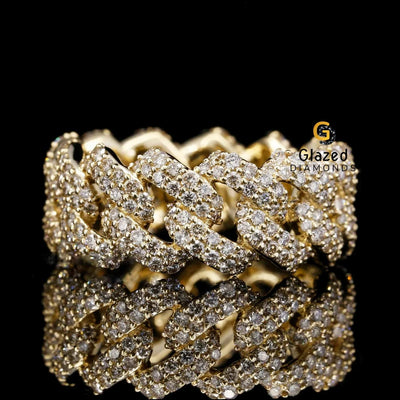
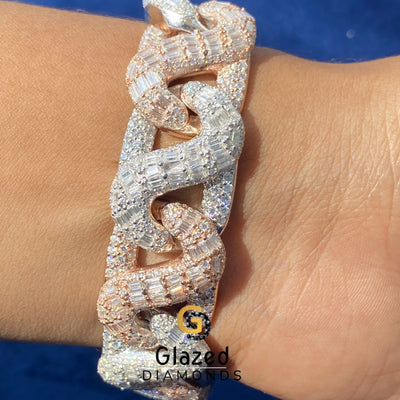
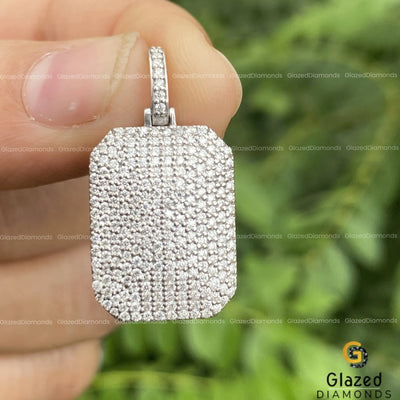
Heavy Cuban link chains and pendant pieces should always be stored individually. Stacking heavy chains puts stress on links over time and causes clasp damage.
How to Store Earrings
The main goal with earring storage is keeping pairs together and preventing backings from getting lost.
Stud earrings store best in a tray with small individual holes. Hoops and drop earrings need longer slots or a hanging organizer to hold their shape without bending.
Moissanite earrings and other gemstone studs should be kept away from direct sunlight between wears. UV exposure can affect certain stone treatments and metal finishes over time.
How to Store Gold and Silver Jewelry
How to Store Gold Jewelry
Pure gold does not tarnish. Gold-plated jewelry will oxidize over time if exposed to moisture and air. Both types store best in a soft fabric-lined pouch or a closed compartment box.
Keep gold pieces away from perfume, lotion, and household cleaning products. Moisture is the primary risk. For routine cleaning, a baking soda method removes buildup effectively without damaging the surface.
If you want to understand the difference between 10k and 14k gold before choosing a storage-sensitive piece, the metal composition affects how quickly it reacts to humidity.
How to Store Silver Jewelry
Sterling silver tarnishes from oxygen and moisture contact. Anti-tarnish pouches or small sealed bags with the air pressed out are the most effective storage solution.
Anti-tarnish strips placed inside a jewelry box slow oxidation significantly. Silica gel packets inside the storage container reduce ambient humidity. Keep silver stored separately from gold to prevent metal-to-metal surface scratches.
For moissanite jewelry, whether it tarnishes depends entirely on the metal setting rather than the stone. The moissanite itself does not tarnish.
How to Store Fine and Expensive Jewelry
Fine jewelry with diamonds, moissanite, or colored gemstones requires individual storage. Every piece needs its own compartment or pouch — shared storage is not an option at this level.
Diamonds are the hardest natural material but can still chip when stored against another diamond. Moissanite ranks 9.25 on the Mohs hardness scale, making it highly scratch-resistant, but contact with other stones remains a risk.
Moissanite rings and other high-value pieces belong in a dedicated fabric-lined compartment box. Placing them in a zippered pouch inside a safe provides double protection for long-term storage.
How to Store Jewelry for Travel
Travel jewelry storage needs to be compact, organized, and impact-protective. A leather or fabric jewelry roll with individual pockets is the most practical solution for most travelers.
Travel storage priorities, in order:
-
Use a jewelry roll with separate pockets for rings, necklaces, and earrings
-
Store earring pairs in a small pill organizer to prevent loss and keep backs attached
-
Wrap bracelets individually in a soft cloth if placing in checked luggage
-
Use the straw method for chains to prevent tangling inside a bag
-
Carry fine jewelry as a carry-on item only — never in checked bags
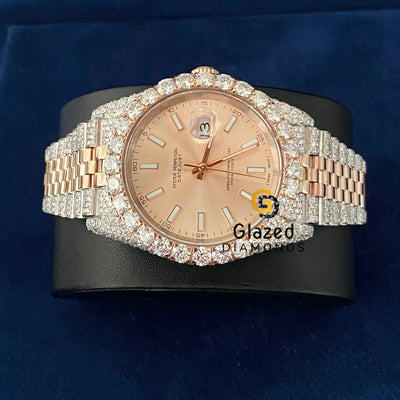
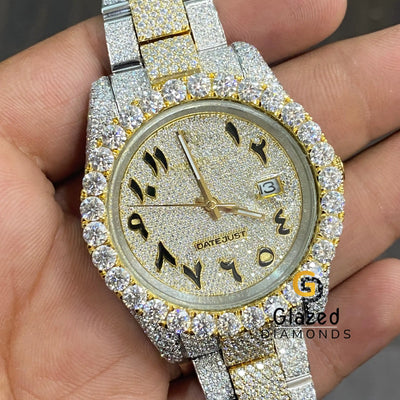
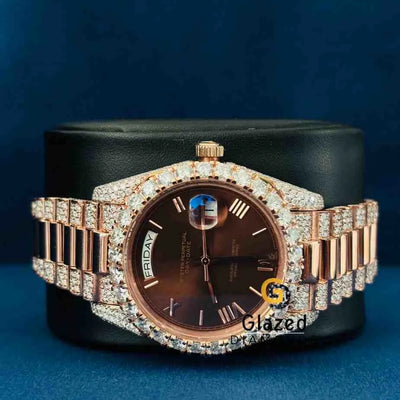
Moissanite bracelets and moissanite watches should always be wrapped individually in soft cloth before packing, regardless of luggage type.
Safe Places to Store Jewelry at Home
The safest everyday storage for jewelry is a dedicated jewelry box or armoire kept in a cool, dry, room-temperature space.
Bathrooms are the worst location. Steam, heat fluctuations, and moisture accelerate tarnish and degrade metal settings faster than almost any other factor. Bedside table drawers are acceptable if humidity is controlled.
For small spaces, wall-mounted organizers, velvet drawer inserts, or a DIY pegboard hook system solve the organization problem without requiring a full armoire.
How to Store Jewelry in a Safe or Safe Deposit Box
A fireproof and waterproof home safe provides the strongest at-home protection for high-value pieces. Store each piece in individual soft pouches inside the safe. Direct contact between pieces inside a safe still causes scratching.
A bank safe deposit box adds institutional-level security for heirloom jewelry, estate pieces, or significant stone-set collections. Both options are worth considering for pieces with real financial or sentimental value.
For those building or growing a collection that deserves proper care, the full moissanite jewelry collection at Glazed Diamonds covers everything from rings and pendants to watches and bracelets.
Conclusion
Proper jewelry storage comes down to three things: separate every piece, control humidity, and match the container to the material. Gold, silver, fine jewelry, and costume pieces each have different needs and react differently to the same environment. Getting the storage right is the simplest way to protect what you own — and the most often overlooked.
FAQs
How to store jewelry properly?
Keep each piece separated in individual compartments or soft pouches. Store in a cool, dry location away from humidity, direct sunlight, and chemical exposure.
What is the best way to store jewelry?
A fabric-lined jewelry box with individual compartments is the most effective all-around solution. Anti-tarnish pouches add extra protection for silver and gold-plated pieces.
How to store necklaces without tangling?
Hang each necklace individually on hooks or a rotating jewelry stand. For travel, thread chains through a plastic straw before fastening the clasp to hold the chain straight.
How to store gold jewelry?
Store in a soft pouch or fabric-lined box, away from moisture and chemicals. Pure gold does not tarnish, but gold-plated finishes degrade when exposed to humidity, lotion, and perfume.
How to store silver jewelry?
Place in anti-tarnish pouches or sealed bags with the air removed. Add anti-tarnish strips or silica gel packets inside the container to slow oxidation between wears.
What is the safest place to store jewelry at home?
A dedicated jewelry box in a cool, dry bedroom or closet drawer is the safest everyday option. For high-value pieces, a fireproof home safe or bank safe deposit box provides the strongest long-term protection.
How to store jewelry to prevent tarnish?
Keep silver and gold-plated pieces in anti-tarnish pouches or sealed bags. Reduce humidity with silica gel packets and limit air exposure by closing containers after every use.