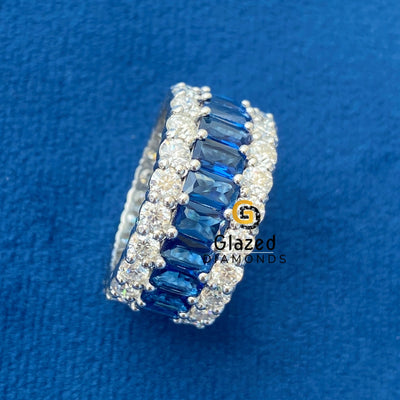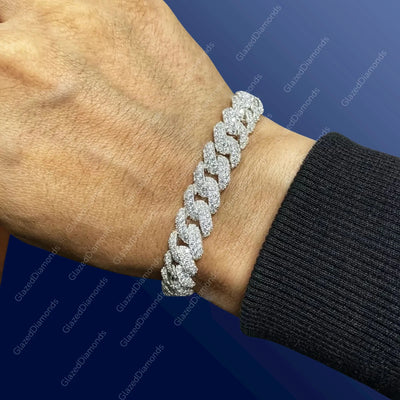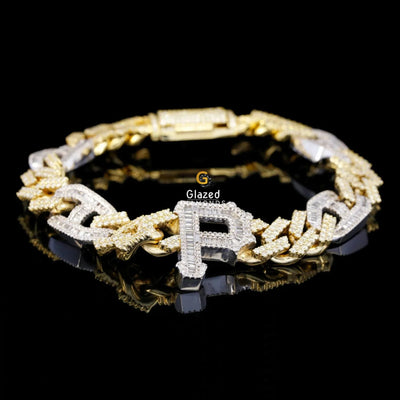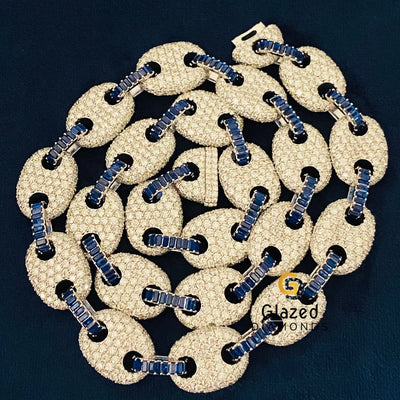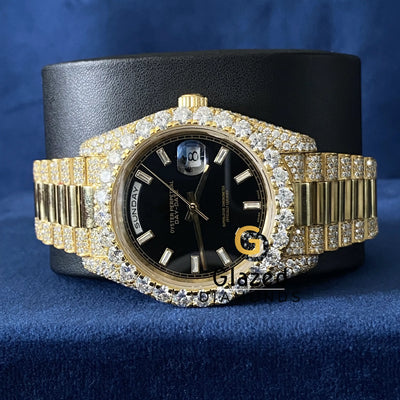



Moissanite does not get cloudy, but the dull, hazy look that some pieces develop after regular wear is real — and it has a specific cause. Whether you own a moissanite watch, a ring, or a pendant worn daily, understanding what creates that surface film and how to remove it properly keeps your pieces looking the way they should. This guide covers the science, the myths, the actual causes of dullness, and a cleaning method that works.
What "Cloudy" Actually Means for a Gemstone
Cloudiness in a gemstone can come from two places: inside the stone (internal inclusions or structural degradation) or on the surface (residue, film, or chemical buildup).
Moissanite is silicon carbide — a material with a dense, stable crystal structure. Internal cloudiness is not a property of this stone. It does not degrade chemically, yellow from the inside, or lose structural clarity with age or exposure to air.
When moissanite looks cloudy, the problem is on the surface, not inside the stone.
Does Moissanite Get Cloudy Over Time?
No. Moissanite does not cloud internally over time. Unlike cubic zirconia, which can lose optical clarity permanently with regular use, moissanite retains its brilliance indefinitely at the structural level.
Moissanite scores 9.25 on the Mohs hardness scale, just below diamond at 10. That hardness means the stone resists scratching — one of the main ways gemstones develop a dull appearance over time. Its non-porous surface also prevents it from absorbing oils or moisture internally. Any dullness that develops is a surface condition, not a stone flaw.
Why Does Moissanite Look Cloudy?
Several everyday factors cause moissanite to appear temporarily dull or hazy.
Skin oil and lotion buildup. Natural skin oils, sweat, and hand cream accumulate on the stone's surface during daily wear. Over time, this creates a thin film that scatters light instead of allowing clean transmission through the facets.
Soap residue. Washing hands or doing dishes while wearing jewelry leaves behind a film from bar soap or liquid detergent. This builds up in crevices around the setting.
Household chemicals. Cleaning products, bleach, and chlorine from pools or hot tubs leave a chemical residue on the stone and can damage the metal setting beneath.
The oil slick effect. A well-documented surface issue specific to moissanite is the oil slick — an iridescent, rainbow-tinted film that forms from contact with oils or chemical products. It resembles the pattern of gasoline on a wet surface. It is not permanent and clears completely with proper cleaning.
Cosmetics and fragrance. Perfume, foundation, and hairspray deposit particles on any surface they contact, including gemstones.
How to Clean Moissanite
This method works for rings, pendants, moissanite bracelets, and most set pieces. For set stones on watch bezels, the moissanite watch cleaning guide covers those specifics in more detail.
What you need:
-
A small bowl
-
Warm water
-
A few drops of mild dish soap (original Dawn is a standard recommendation)
-
A soft-bristled toothbrush
-
A lint-free cloth
Steps:
-
Fill the bowl with warm water and add a few drops of dish soap.
-
Submerge the piece and soak for 15 to 20 minutes.
-
Use the toothbrush to gently scrub around the stone, inside the setting, and the back of the piece where buildup concentrates.
-
Rinse thoroughly under warm running water until all soap residue is gone.
-
Dry with a lint-free cloth. Paper towels can leave micro-scratches on metal settings.
Frequency: Monthly cleaning is sufficient for most wearers. Clean immediately if an oil slick or visible film appears.
What to Avoid When Cleaning Moissanite
-
Bleach and harsh chemical cleaners — These damage metal settings and leave residue on the stone.
-
Abrasive materials — Rough cloths or scrubbing pads scratch the metal surrounding the stone.
-
Home ultrasonic cleaners — Vibration can loosen prong settings. Professional ultrasonic cleaning is safer if needed.
-
Toothpaste — Mildly abrasive and not safe for metal settings.
-
Bar soap — Creates a film on the surface that diminishes brilliance rather than restoring it.
Moissanite vs. Cubic Zirconia: Why This Comparison Matters
Cubic zirconia does get permanently cloudy. CZ is softer, more porous, and absorbs oils and moisture internally. Over months of daily wear, it loses clarity in a way that cleaning cannot reverse.
Moissanite does not share this characteristic. Any dullness is a surface condition, not a material flaw. For buyers choosing between the two for daily-wear pieces — including moissanite rings, watches, or chains worn consistently — this difference in long-term performance is significant.
Habits That Prevent Buildup
Reducing contact with residue-forming substances cuts cleaning frequency and keeps pieces sharper between cleans.
-
Apply lotions, sunscreen, and perfume before putting jewelry on, not after.
-
Remove pieces before swimming in chlorinated water or using household cleaning products.
-
Store moissanite separately in a soft pouch or lined box rather than loose with other jewelry.
-
Wipe pieces down with a soft cloth after each wear to remove skin oil before it accumulates.
For a broader look at how moissanite holds up under daily conditions, the breakdown of whether moissanite fades covers long-term performance across different wear conditions.
Does Moissanite Tarnish?
The stone itself does not tarnish. Moissanite is chemically stable and will not discolor or oxidize. However, the metal setting can tarnish depending on the alloy. Sterling silver requires more frequent polishing. Gold and platinum settings are significantly more resistant.
If a piece looks dull after the stone has been cleaned, the metal setting likely needs attention. The full breakdown on whether moissanite tarnishes covers metal-specific care in more detail.
Bottom Line
Moissanite does not get cloudy — permanent internal cloudiness is a characteristic of lower-grade stones like cubic zirconia, not silicon carbide. The dull look that develops with regular wear is a surface condition caused by oil, lotion, soap residue, and chemical buildup. A monthly clean with dish soap, warm water, and a soft brush solves it completely.
The stone's structure keeps it optically stable through years of daily wear. Browse the full moissanite jewelry collection or visit Glazed Diamonds to explore all available pieces. Please review our returns policy before purchase.
What piece do you wear daily — and has the oil slick ever caught you off guard? Drop it below.
Frequently Asked Questions
Does moissanite get cloudy over time?
No. Moissanite does not cloud internally with age. Any cloudiness is surface buildup from oils, lotions, or chemical residue. Regular cleaning restores full brilliance.
Why does my moissanite look cloudy after only a short time?
Frequent exposure to hand cream, soap, and skin oil can create a visible film within weeks. Clean the piece with mild dish soap and warm water to restore clarity.
Can I use an ultrasonic cleaner on moissanite at home?
Not recommended. Home ultrasonic cleaners can loosen stones from their settings. Professional ultrasonic cleaning is the safer option.
Is moissanite better than cubic zirconia for long-term wear?
Yes. CZ becomes permanently cloudy as it absorbs oils internally over time. Moissanite only requires surface cleaning and stays optically stable.
How often should I clean moissanite jewelry?
Monthly is sufficient for most wearers. Daily-wear pieces benefit from more frequent cleaning.
Does the moissanite stone itself tarnish?
No. The stone does not tarnish. Metal settings may tarnish depending on the alloy.