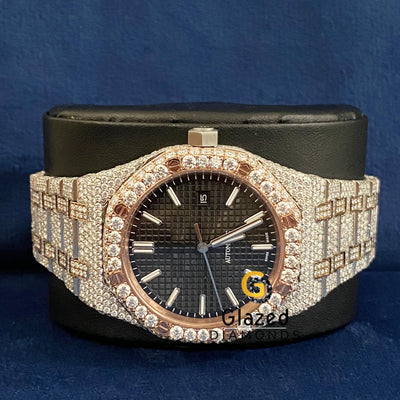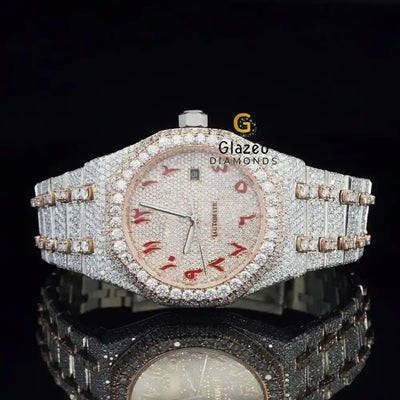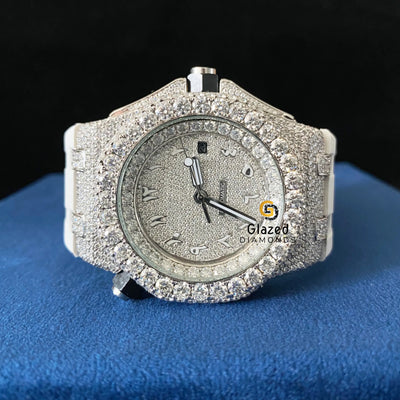

Gemstones for anxiety have been used across cultures for over 7,000 years. From ancient Egyptian lapis lazuli amulets to amethyst rings worn in Greek and Roman wellness traditions, calming stones carry deep historical weight. That tradition continues today in the modern wellness jewelry market, where buyers look for pieces that carry meaning alongside visual appeal. Just as collectors build a personal jewelry wardrobe that might include everything from statement iced out watches to layered pendants, many are now choosing specific gemstones based on their calming and grounding associations.
This guide covers the most widely recognized healing gemstones for anxiety, what the history says about them, what the science actually shows, and how to wear them effectively.
Do Gemstones Actually Help With Anxiety?
Formal scientific evidence for gemstone healing is limited. One widely referenced study gave 80 participants either genuine or fake crystals. Both groups reported comparable calming effects — a result that points strongly to the placebo response. The placebo effect, however, is not without value. Research into mindfulness and intention-setting consistently shows measurable reductions in anxiety symptoms when people engage with grounding rituals purposefully.
Crystals and gemstones function well as tools for those rituals. When worn with intention, they serve as physical anchors for mindfulness practice. That practical role is well-supported even where metaphysical claims are not.
Important note: gemstones are a wellness complement. They are not a substitute for professional mental health care. Anyone managing clinical anxiety should continue working with a qualified healthcare provider.
Best Gemstones for Anxiety and Stress Relief
Amethyst — The Most Recognized Anxiety Stone
Amethyst is the most consistently recommended gemstone for anxiety across wellness traditions. Its purple color ranges from soft lavender to deep violet, and it has appeared in calming practices from ancient Greece through modern crystal healing. Greek tradition associated amethyst with mental clarity and moderation. Contemporary crystal practitioners describe it as a stone that quiets overactive thinking, supports emotional balance, and promotes restful sleep — three areas directly connected to anxiety management.
As an amethyst anxiety stone, it's most effective when worn in direct contact with the skin. Pendants, rings, and bracelets are the most common formats.
Lapis Lazuli — 7,000 Years of Calming Tradition
Lapis lazuli is one of the oldest gemstones in recorded use. The Sar-e-Sang mines in present-day Afghanistan have been active for approximately 7,000 years and remain a primary source today. The stone's deep blue body with gold pyrite flecks appeared in the burial ornaments of Egyptian pharaohs, was used in Buddhist prayer traditions as a stone for inner peace and freedom from negative thought, and was later prized by Renaissance artists for the rare ultramarine pigment it produced.
Lapis lazuli anxiety benefits in modern wellness circles center on its associations with reduced mental overload, emotional clarity, and restored calm. Its rich visual depth also makes it one of the stronger statement choices in gemstone jewelry for anxiety, particularly as a pendant or ring stone.
Black Tourmaline — Grounding Under Pressure
Black tourmaline is regarded as a protective and grounding stone. It's among the most recommended calming stones for anxiety rooted in overwhelming environments — demanding workplaces, crowded social settings, or high-pressure decisions. Crystal practitioners describe it as a stone that absorbs negative environmental energy and creates psychological stability during stress peaks.
Its dark, polished appearance translates cleanly into minimalist and contemporary jewelry settings.
Rose Quartz — Emotional Reset
Rose quartz is the primary gemstone associated with self-compassion and emotional healing. Wellness traditions recommend it for anxiety driven by self-criticism, relationship tension, or emotional exhaustion. Its soft pink color is visually gentle, and it pairs naturally with other calming stones in layered jewelry.
Lepidolite — The Lithium Stone
Lepidolite stands out among gemstones for stress relief because it naturally contains lithium — a mineral with a well-established clinical relationship to mood regulation. Crystal healing and pharmaceutical medicine operate in separate contexts, but this composition gives lepidolite a factual point of distinction. Its lavender to gray-purple tones make it visually similar to amethyst. It is typically cut as polished cabochons and used in rings and pendants.
How to Wear Calming Stones as Gemstone Jewelry
Wearing gemstones close to the skin is the most consistent method across all wellness jewelry traditions. Sustained contact is believed to maintain the stone's grounding influence throughout the day. Three jewelry formats work best:
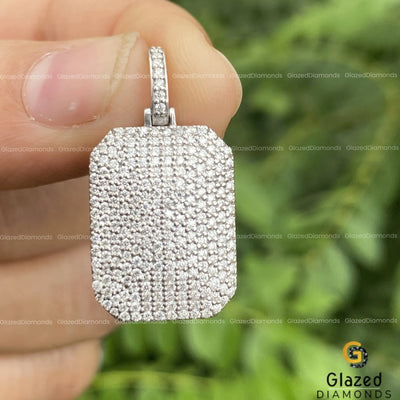
Pendants sit near the heart or throat — areas linked to emotional regulation in multiple wellness traditions. A lapis lazuli or amethyst moissanite pendant worn daily creates a consistent, intentional anchor.
Bracelets keep stones at the wrist pulse point. Layering calming stones in a moissanite bracelet stack with complementary gemstones is a popular styling approach.
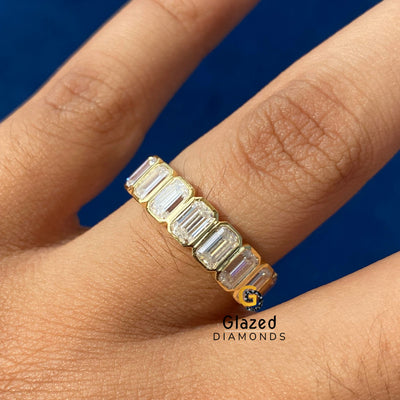
Rings offer focused, direct contact. Moissanite rings and gemstone rings are among the most versatile everyday options for wearing stones with intention.
For those building a full jewelry wardrobe with calming intention, the full moissanite jewelry collection provides a strong foundation for layering and styling.
Conclusion
Gemstones for anxiety occupy a real and documented place in human wellness history. The science is honest about its limits — the effects are largely mindfulness-driven rather than physically measurable. But that framing doesn't diminish the practical value of grounding rituals for stress management. Amethyst, lapis lazuli, black tourmaline, rose quartz, and lepidolite each bring distinct cultural histories and modern wellness associations that inform how buyers choose and wear them today.
For those building a jewelry collection that combines aesthetics with intention, Glazed Diamonds offers a range of fine moissanite pieces designed for everyday wear and personal expression. Please review the returns policy before purchase.
FAQs: Gemstones for Anxiety
What is the best gemstone for anxiety?
Amethyst is the most widely recognized gemstone for anxiety. Its long history in calming traditions, its accessibility, and its visual appeal make it the most consistent first recommendation from crystal practitioners.
What is the lapis lazuli anxiety benefit?
Lapis lazuli is traditionally associated with reduced mental overload, emotional calm, and clarity of thought. It has been used in calming and protective practices across Egyptian, Buddhist, and European traditions for over 7,000 years.
Do crystals for anxiety and stress actually work?
Current scientific evidence is limited. Research suggests the effects are largely tied to the placebo response and the mindfulness rituals that crystal use encourages. Both mechanisms can provide genuine, measurable stress relief when engaged with intention.
Can you wear calming stones every day?
Gemstones like amethyst, rose quartz, and lapis lazuli are durable enough for daily wear in most jewelry settings. Standard care applies: avoid harsh chemicals, remove before heavy physical activity, and clean regularly.
Is gemstone jewelry for anxiety different from regular crystal healing?
Wearing gemstones as jewelry is considered a continuous, low-effort form of crystal healing. Unlike placing stones in a room or using them during meditation only, jewelry keeps the stone in direct skin contact across different environments throughout the day.