
Amethyst crystal meaning has fascinated collectors, jewelry buyers, and wellness communities for thousands of years. This purple gemstone is one of the most recognized stones in the world, and its reputation goes well beyond its color. People who think carefully about what their accessories represent, from moissanite watches to raw stones on a shelf, are drawn to amethyst for specific, well-documented reasons.
This guide covers what amethyst means, its spiritual significance, healing properties, physical characteristics, and practical uses in daily life and jewelry.
What is Amethyst?
Amethyst is a purple variety of quartz with the chemical formula SiO₂. It belongs to the hexagonal crystal system and gets its distinctive purple color from iron impurities and natural irradiation within the earth's crust.
The name amethyst comes from the ancient Greek word amethystos, which translates directly to "not intoxicated." Ancient Greeks believed wearing amethyst or drinking from amethyst vessels would protect the mind from drunkenness and maintain mental clarity.
Amethyst is classified as a semi-precious gemstone today. Historically, before large deposits were discovered in Brazil and Uruguay, it was valued at the same level as sapphires and rubies. Its availability has made it more accessible, but its cultural and spiritual significance has never decreased.
Amethyst Crystal Meaning
The core amethyst crystal meaning centers on three ideas: clarity, protection, and spiritual awareness.
Across ancient cultures, amethyst was treated as a stone of the mind. Roman soldiers carried it for clear thinking. Leonardo da Vinci reportedly used amethyst to sharpen focus and clear negative thoughts. In religious traditions, it symbolized divine piety and calm reflection.
Amethyst meaning today remains consistent with those historical roots. It represents:
-
Mental clarity and calm decision-making
-
Protection from negative energy
-
Spiritual awareness and intuition
-
Inner peace and emotional balance
The purple color itself carries deep cultural weight. In many traditions worldwide, purple represents royalty, wisdom, and connection to higher states of consciousness.
Spiritual Meaning of Amethyst
The spiritual meaning of amethyst connects directly to two energy centers recognized in crystal and chakra traditions: the third eye chakra and the crown chakra.
The third eye chakra, located between the eyebrows, governs intuition, foresight, and inner knowing. Amethyst is one of the primary stones associated with activating this chakra, making it a core tool in meditation and energy work.
The crown chakra, at the top of the head, represents connection to higher awareness and the broader universe. Amethyst's vibrational frequency and purple color are considered aligned with this center.
The spiritual properties of amethyst are used to:
-
Deepen meditation and mindfulness practice
-
Build awareness of intuitive signals
-
Create a calm mental state before spiritual work
-
Form a sense of protection against negative environmental energy
Many people place amethyst near their bed, workspace, or meditation area to maintain this energy throughout the day. Wearing it as jewelry is considered equally effective for ongoing spiritual support.
Amethyst Properties
Understanding amethyst's physical properties matters for buyers, collectors, and anyone wearing it in jewelry.
|
Property |
Detail |
|
Mineral type |
Quartz (SiO₂) |
|
Color range |
Light lavender to deep violet |
|
Mohs hardness |
7 out of 10 |
|
Crystal system |
Hexagonal |
|
Luster |
Vitreous (glassy) |
|
Primary sources |
Brazil, Uruguay, Zambia |
|
Birthstone month |
February |
Amethyst rates 7 on the Mohs hardness scale, making it durable enough for daily-wear jewelry including rings, bracelets, and pendants. One practical note: prolonged exposure to direct sunlight can fade its color over time.
For broader context on how amethyst fits among other gemstones, the full gemstone guide covers comparative properties across the most popular stones.
Amethyst Healing Properties
Amethyst healing properties span emotional, mental, and physical wellness. These represent beliefs within crystal healing traditions and are used as complementary tools, not medical treatments.
Emotional Healing
-
Reduces stress and anxiety
-
Supports emotional stability during difficult periods
-
Eases feelings of grief and overwhelm
-
Encourages patience and greater self-awareness
Mental Healing
-
Improves focus and mental clarity
-
Reduces mental chatter and racing thoughts
-
Supports restful sleep and reduced insomnia
-
Helps break patterns of overthinking
Physical Wellness (Traditional Beliefs)
-
Associated with supporting the immune system
-
Believed to ease tension headaches
-
Used in holistic practice to support the nervous system
The healing power of amethyst stone is considered most effective when the stone is worn consistently, kept in a personal space, or used actively during meditation.
What Does Amethyst Do?
Amethyst is primarily a calming stone. Its most widely recognized effect is reducing mental tension and creating inner stillness.
For people managing stress, overstimulation, or disrupted sleep, amethyst is consistently one of the first crystals recommended. It does not energize or stimulate. It settles.
In spiritual practice, amethyst opens the mind to clearer, higher-frequency thinking, making it easier to access intuition and make decisions without emotional interference.
Amethyst crystal does the following:
-
Calms the mind and nervous system
-
Protects against negative energy and emotional disturbance
-
Deepens meditation and mindfulness practice
-
Supports intuitive awareness
-
Promotes restful, undisturbed sleep
What is Amethyst Used For?
Amethyst is one of the most versatile crystals in everyday use. Its uses span wellness practices, spiritual work, home environments, and wearable accessories.
Meditation: Holding amethyst or placing it near the crown chakra during meditation helps quiet mental noise and deepen focus.
Sleep support: Placing an amethyst crystal beside the bed is a widely used practice for people who experience difficulty sleeping or stress-driven mental activity at night.
Stress relief: Carrying a small amethyst stone or wearing amethyst jewelry throughout the day provides ongoing support for managing anxiety.
Home and workspace: Large amethyst clusters and geodes are placed in living spaces to maintain a calm, clear environment throughout the home.
Crystal grids: Amethyst functions as a core stone in grid layouts designed for protection, clarity, and spiritual growth.
Jewelry: Wearing amethyst in bracelets, pendants, and rings keeps its energy in direct contact with the body. This is covered in detail below.
Amethyst in Jewelry
Amethyst has been set in jewelry since ancient Egypt and remains one of the most widely used gemstones in fine and fashion jewelry today. Its Mohs hardness of 7 makes it strong enough for daily-wear pieces without the fragility concerns of softer stones.
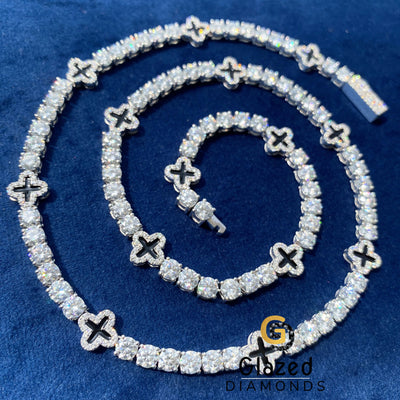
Amethyst bracelets: Wearing amethyst as a bracelet keeps the stone in direct contact with the body throughout the day. Many buyers prefer this format for continuous calm and stress support. Those interested in stone-set bracelets at the luxury level often explore moissanite bracelets as a complementary high-shine alternative.
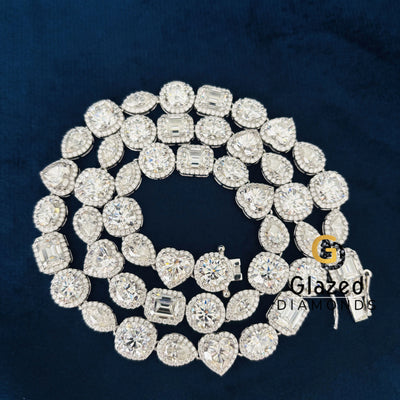
Amethyst pendants: A pendant positions the stone near the heart and throat area. Practitioners believe this enhances emotional clarity and communicative confidence. For buyers seeking stone-set pendants with premium stone coverage, moissanite pendants offer a parallel approach with a different stone aesthetic.
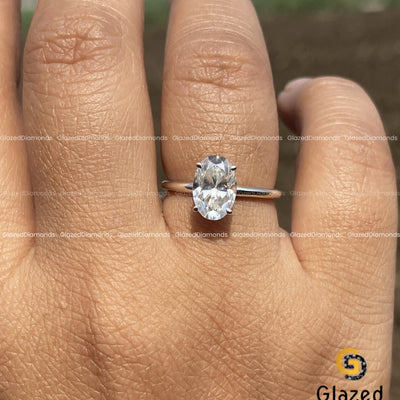
Amethyst rings: February birthstone rings featuring amethyst carry a long tradition. Amethyst rings are also worn as symbols of spiritual protection, intention-setting, and love. Moissanite rings offer a fine jewelry alternative for buyers who want exceptional brilliance in ring form.
Amethyst is the official birthstone for February. For a complete breakdown of its birthstone history and symbolism, the February birthstone guide covers it in full detail.
Amethyst vs Purple Quartz
A common point of confusion: is amethyst the same thing as purple quartz?
|
Feature |
Amethyst |
Purple Quartz |
|
What it is |
Gem-grade variety of quartz |
Informal umbrella term |
|
Color source |
Iron + natural irradiation |
Same mechanism |
|
Gem-grade quality |
Yes |
Not always |
|
Name origin |
Greek: "not intoxicated" |
Descriptive only |
|
Used in fine jewelry |
Yes, widely |
Not as a named category |
|
Official birthstone |
February |
No birthstone status |
Amethyst is purple quartz. The distinction is that "amethyst" refers specifically to gem-quality specimens with the recognized purple color range and clarity suitable for jewelry and collection. "Purple quartz" is a broader descriptive term that can refer to any purple quartz material, including low-grade or non-gem specimens.
All amethyst is purple quartz. Not all purple quartz qualifies as gem-grade amethyst.
Who Should Wear Amethyst?
Amethyst is considered one of the most universally accessible crystals. Its energy is described as gentle rather than intense, making it well-suited for beginners and experienced practitioners alike.
Amethyst is a natural fit for:
-
People who experience chronic stress or anxiety
-
Those beginning meditation or mindfulness practice
-
Anyone seeking better sleep quality
-
Buyers attracted to purple gemstones in jewelry
-
People born in February (official birthstone)
-
Those working on spiritual development or intuition
There are no traditional contraindications associated with wearing amethyst. Most crystal practitioners recommend it as a foundational stone for any collection.
Is Amethyst a Real Crystal?
Amethyst is a real crystal. It is a naturally occurring mineral, a variety of quartz (SiO₂), colored by trace amounts of iron and natural irradiation within the earth over millions of years.
Lab-created amethyst also exists. It is produced using hydrothermal processes that replicate the conditions under which natural amethyst forms underground. Lab-grown amethyst is chemically and structurally identical to natural amethyst. The difference is origin: one comes from the earth, the other from a controlled scientific process.
Buyers should ask sellers directly about natural vs. lab-grown origin if that distinction matters for their purchase decision.
Final Thoughts
Amethyst crystal meaning remains one of the most searched topics in the gemstone world for consistent reasons. The stone combines documented geological uniqueness with thousands of years of cultural, spiritual, and symbolic significance across multiple civilizations.
From stress support to meditation use to fine jewelry, amethyst functions across a wide range of daily contexts. Its purple color, 7-Mohs durability, and rich history make it one of the most enduring stones in both wellness culture and accessory design.
At Glazed Diamonds, the focus is on fine stone jewelry built for people who want both meaning and quality in what they wear. Explore the full collection to find pieces that reflect a similar appreciation for intentional design.
FAQs
What does amethyst crystal mean?
Amethyst crystal meaning centers on clarity, protection, and spiritual awareness. It symbolizes calm thinking, intuition, and emotional balance across multiple cultural traditions.
What is amethyst good for spiritually?
Amethyst is used in spiritual practice to deepen meditation, activate the third eye and crown chakras, build intuitive awareness, and create a sense of inner protection.
What does amethyst do for the mind?
Amethyst is a calming stone. It reduces mental chatter, eases anxiety, and supports clearer thinking by quieting overstimulation and mental tension.
Is amethyst a real crystal?
Yes. Amethyst is a naturally occurring variety of quartz formed in the earth. Lab-created versions also exist and are chemically identical to natural amethyst.
What is the difference between amethyst and purple quartz?
Amethyst is gem-grade purple quartz. "Purple quartz" is an informal term for any purple quartz material. All amethyst is purple quartz, but not all purple quartz meets the gem-grade standard of amethyst.
How do you use amethyst in daily life?
Amethyst can be worn as jewelry, placed near the bed for sleep support, carried in a pocket, used during meditation, or displayed in a home or workspace as a calming environment stone.